

Frequently Asked Questions
What conditions does a neurologist diagnose and treat?
A neurologist is a specialist trained to diagnose, manage, and treat disorders affecting the brain, spinal cord, peripheral nerves, and muscles. Common conditions include epilepsy, migraines, Parkinson’s disease, Alzheimer’s disease, multiple sclerosis, stroke, neuropathy, and sleep disorders. Neurologists use a combination of clinical examination, imaging (MRI/CT scans), and neurophysiological tests such as EEG and nerve conduction studies to arrive at an accurate diagnosis. They create individualized treatment plans that may involve medications, lifestyle modifications, or referrals to neurosurgeons when surgical intervention is required. Early diagnosis is key to effective management of most neurological conditions.
When should I see a neurologist instead of my regular doctor?
You should consider seeing a neurologist when you experience symptoms that may point to a nervous system problem that your primary care physician cannot fully evaluate or manage. These include persistent or severe headaches, sudden vision changes, unexplained numbness or tingling in the limbs, recurring dizziness or fainting, memory loss, difficulty speaking, muscle weakness, coordination problems, or seizures. While your general practitioner can handle many common concerns, a neurologist has specialized tools and training to investigate these symptoms more deeply. Getting a neurological evaluation early can prevent conditions from worsening and can significantly improve your long-term health outcomes.
What happens during a first neurological consultation?
Your first visit to a neurologist typically involves a thorough review of your medical history, current symptoms, medications, and any relevant family history of neurological disease. The neurologist will then conduct a detailed neurological examination, which assesses cognitive function, cranial nerve responses, motor strength, coordination, reflexes, balance, and sensory perception. Based on this examination, the neurologist may order additional diagnostic tests such as blood work, MRI or CT brain scans, electroencephalogram (EEG), or electromyography (EMG). This comprehensive approach ensures no detail is missed. The visit usually lasts between 45 and 90 minutes. Please bring any previous reports, scan results, or referral letters to your appointment.
How is a migraine different from a regular headache, and can it be treated?
A migraine is a complex neurological condition, not simply a bad headache. It is typically characterized by moderate to severe throbbing or pulsating pain, usually on one side of the head, and is often accompanied by nausea, vomiting, and extreme sensitivity to light and sound. Some patients also experience an “aura” — visual disturbances, tingling sensations, or difficulty speaking — before the headache begins. Migraines can last from a few hours to several days and can significantly affect daily functioning. Yes, migraines are very treatable. Neurologists can prescribe acute treatments to stop attacks and preventive therapies to reduce their frequency. Identifying and avoiding personal triggers is also a key part of long-term management.
What is an EEG and why might my neurologist order one?
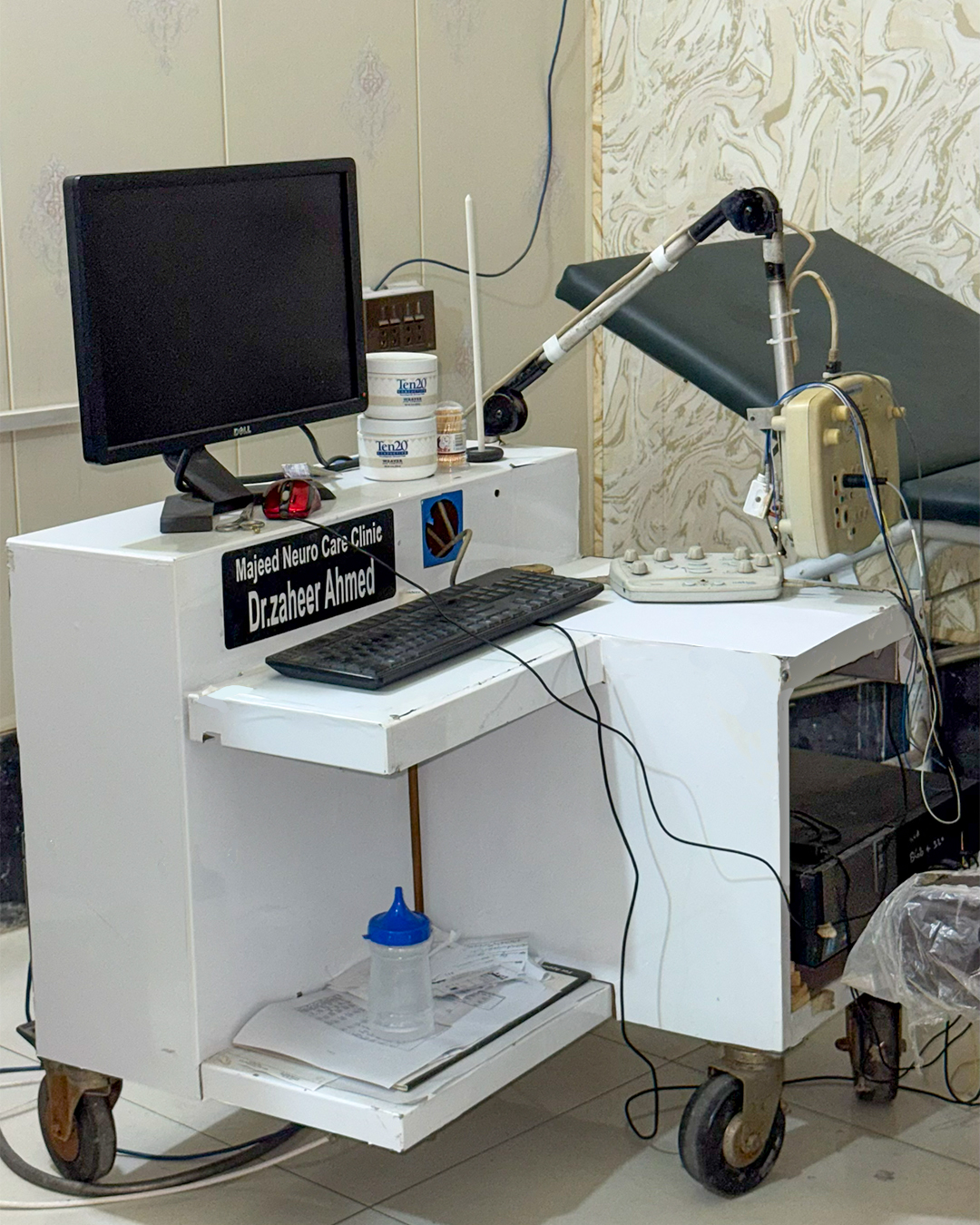
An electroencephalogram (EEG) is a non-invasive diagnostic test that records the electrical activity of the brain using small electrodes placed on the scalp. It produces a graph of brainwave patterns that neurologists analyze for abnormalities. Your neurologist may order an EEG if you have experienced seizures, unexplained episodes of confusion or altered consciousness, suspected epilepsy, sleep disorders, or certain types of encephalopathy. The test is completely painless and typically takes 20–40 minutes. In some cases, a prolonged or ambulatory EEG may be recommended to capture intermittent abnormalities over a longer period. The results help neurologists confirm diagnoses and guide treatment decisions, particularly for epilepsy management.
Can neurological conditions be managed with lifestyle changes alone?
For some neurological conditions, lifestyle modifications can play a significant and meaningful role in management, though they are rarely sufficient as a sole treatment strategy for serious disorders. Regular physical exercise has been shown to improve symptoms in Parkinson’s disease, enhance cognitive reserve, and reduce the frequency of migraines. A healthy, balanced diet — particularly one rich in omega-3 fatty acids, antioxidants, and low in processed foods — supports brain health. Adequate sleep, stress management, and avoiding alcohol and tobacco are also beneficial. However, conditions like epilepsy, multiple sclerosis, or stroke require medical treatment. Your neurologist will advise on how lifestyle changes can complement your prescribed treatment plan effectively.
What are the early warning signs of heart disease I should never ignore?
Heart disease often develops silently over years, but it does send warning signals that should never be dismissed. The most recognized symptom is chest pain or tightness — a pressure-like discomfort that may radiate to the left arm, jaw, neck, or back. However, subtler signs include unexplained shortness of breath even at rest, persistent fatigue, irregular heartbeat (palpitations), swelling in the legs or ankles, and dizziness or fainting. Women in particular may experience atypical symptoms like nausea, indigestion, and upper back pain rather than classic chest pain. If you notice any of these symptoms — especially in combination — seek medical evaluation immediately. Early detection through ECG, echocardiogram, and cholesterol screening can prevent life-threatening cardiac events and significantly improve long-term heart health outcomes.
What is the difference between Type 1 and Type 2 diabetes, and how is each managed?
Type 1 diabetes is an autoimmune condition in which the body’s immune system attacks and destroys insulin-producing beta cells in the pancreas, resulting in little to no insulin production. It is usually diagnosed in childhood or early adulthood and requires lifelong daily insulin therapy to survive. Type 2 diabetes, which accounts for around 90% of all diabetes cases, occurs when the body becomes resistant to insulin or does not produce enough of it. It is strongly linked to obesity, physical inactivity, and poor diet, and is more common in adults — though increasingly seen in younger populations. Type 2 is initially managed through lifestyle changes, oral medications, and blood sugar monitoring, with insulin added if needed. Both types require regular specialist follow-up to prevent complications such as kidney disease, nerve damage, vision loss, and cardiovascular disease.
Is high blood pressure dangerous even when I feel completely fine?
Yes — and this is precisely what makes hypertension (high blood pressure) so dangerous. It is often called the “silent killer” because it rarely causes noticeable symptoms until it has already caused significant damage to vital organs. Over time, uncontrolled high blood pressure puts excessive strain on the walls of your arteries, heart, kidneys, and brain. This can lead to serious, life-threatening complications including heart attack, stroke, heart failure, chronic kidney disease, and vision loss. Blood pressure readings of 140/90 mmHg or above on repeated measurements are considered hypertensive and require medical attention. Even if you feel well, regular blood pressure checks are essential. Treatment typically involves a combination of dietary changes (low sodium intake), regular exercise, weight management, stress reduction, and antihypertensive medications prescribed by your specialist to keep blood pressure within a safe range.
What triggers asthma attacks and how can they be prevented effectively?
Asthma is a chronic inflammatory condition of the airways that causes episodes of wheezing, breathlessness, chest tightness, and coughing. Attacks are triggered when the airways become inflamed, narrowed, and filled with mucus in response to specific stimuli. Common triggers include allergens such as dust mites, pet dander, pollen, and mould; respiratory infections like colds and flu; cold air or changes in weather; cigarette smoke; air pollution; strong odours; physical exercise; and emotional stress. Identifying and avoiding your personal triggers is the cornerstone of asthma prevention. Your medical specialist will create an individualized Asthma Action Plan that includes daily controller medications — usually inhaled corticosteroids — to reduce airway inflammation, and reliever (rescue) inhalers for acute symptom relief. Regular spirometry tests help monitor your lung function over time. With proper management, most people with asthma lead full, active lives without frequent attacks.
What are the symptoms of a thyroid disorder and how is it diagnosed?
The thyroid gland produces hormones that regulate metabolism, energy levels, heart rate, body temperature, and many other essential functions. When it produces too much hormone (hyperthyroidism), you may experience unexplained weight loss, rapid or irregular heartbeat, excessive sweating, anxiety, tremors, and difficulty sleeping. When it produces too little (hypothyroidism), symptoms include persistent fatigue, unexplained weight gain, feeling cold all the time, dry skin, hair thinning, depression, constipation, and slowed heart rate. Both conditions can develop gradually, making them easy to overlook. Diagnosis is made through a simple blood test measuring TSH (thyroid-stimulating hormone), Free T3, and Free T4 levels. An ultrasound may be performed if a nodule or enlarged gland is suspected. Treatment for hypothyroidism involves daily thyroid hormone replacement medication, while hyperthyroidism may be managed with medications, radioactive iodine therapy, or in some cases, surgery. Regular monitoring by a specialist ensures your thyroid levels remain well balanced.
What is arthritis, and what treatment options are available for long-term pain relief?
Arthritis is not a single disease but an umbrella term covering more than 100 conditions that cause inflammation, pain, stiffness, and reduced function in the joints. The two most common forms are osteoarthritis — a degenerative condition caused by the gradual breakdown of joint cartilage, most often affecting the knees, hips, and hands in older adults — and rheumatoid arthritis, an autoimmune disease in which the immune system attacks the joint lining, causing chronic inflammation that can affect multiple joints and even internal organs. Symptoms include persistent joint pain, swelling, morning stiffness lasting more than 30 minutes, and reduced range of motion. Diagnosis involves clinical examination, blood markers (such as rheumatoid factor and anti-CCP antibodies), and imaging studies. Treatment is highly individualized and may include anti-inflammatory medications, disease-modifying drugs (DMARDs), biologic therapies, physical therapy, weight management, joint protection strategies, and in advanced cases, surgical intervention such as joint replacement. Early specialist involvement is critical to slowing disease progression and preserving quality of life.