Why Do I Keep Forgetting Things? Understanding Memory Loss & Early Dementia
Have you ever walked into a room and forgotten why you went there? Or struggled to remember names, appointments, or where you placed your keys? Occasional forgetfulness is common, especially during busy or stressful times. However, frequent memory loss may sometimes signal a deeper health concern. Understanding the difference between normal forgetfulness and serious memory problems is important for maintaining brain health.
Many people in Pakistan worry when they begin forgetting things more often. While not every case of memory loss means dementia, it should never be ignored. In this article, we will explain the causes, symptoms, treatment options, and early warning signs of memory loss and early dementia in simple language.
What Is Memory Loss & Early Dementia?
Memory loss refers to difficulty remembering information, events, names, or daily tasks that were once easy to recall. It can affect people of all ages, although it becomes more common as people grow older.
Early dementia is a condition that affects memory, thinking, reasoning, and daily functioning. Dementia is not a normal part of aging. It occurs when brain cells become damaged, making communication between different areas of the brain difficult.
Some forgetfulness is normal. For example, occasionally forgetting where you left your phone or missing an appointment due to a busy schedule is usually not a cause for concern. However, repeatedly forgetting important information, getting lost in familiar places, or struggling to complete everyday tasks may indicate a more serious issue.
A common example in Pakistan is an elderly family member who starts forgetting recent conversations, repeats the same questions, or has difficulty managing household responsibilities. These changes should be evaluated by a qualified neurologist.
Early identification of memory loss allows proper diagnosis and treatment, which may help slow progression and improve quality of life.
Causes & Risk Factors of Memory Loss
There are many possible causes of memory loss, and not all are related to dementia. Some conditions can be treated successfully if identified early.
Common causes include:
- Aging-related brain changes
- Stress and anxiety
- Depression
- Poor sleep quality
- Vitamin deficiencies
- Thyroid disorders
- Head injuries
- Stroke (Faalij)
- Certain neurological disorders
- Medication side effects
Several risk factors can increase the likelihood of developing memory problems:
- Family history of dementia
- High blood pressure
- Diabetes
- Smoking
- Obesity
- Physical inactivity
- Excessive alcohol consumption
- Heart disease
For example, a middle-aged person in Faisalabad with uncontrolled diabetes and high blood pressure may have a higher risk of developing cognitive problems later in life.
Because many medical conditions can affect memory, proper evaluation by a neurologist such as Dr. Zaheer Ahmed is essential to determine the underlying cause.
Signs & Symptoms of Memory Loss
Recognizing the symptoms of memory loss can help individuals seek medical advice before problems become severe.
Common symptoms include:
- Frequently forgetting recent events
- Repeating questions or stories
- Misplacing items regularly
- Difficulty remembering names
- Trouble following conversations
- Missing appointments
- Difficulty concentrating
- Confusion about time or place
- Problems managing finances
- Difficulty performing familiar tasks
Symptoms of early dementia may also include:
- Poor judgment and decision-making
- Changes in personality or mood
- Increased confusion
- Difficulty finding the right words
- Getting lost in familiar surroundings
It is important to note that occasional forgetfulness is usually harmless. The concern arises when memory problems begin affecting work, family responsibilities, or daily activities.
Family members are often the first to notice changes. If loved ones express concern about your memory, it is worth discussing these symptoms with a healthcare professional.
These symptoms can appear alone or together. Even if they go away quickly, do not wait and watch. Seek medical help immediately. Time lost is brain lost.
When Should You See a Doctor for Memory Loss?
Many people delay seeking medical attention because they assume memory problems are a normal part of aging. However, persistent memory loss should always be evaluated.
You should consult a doctor if:
- Memory issues are becoming more frequent
- Daily activities are affected
- You forget important appointments regularly
- Family members notice significant changes
- You become confused in familiar places
- Memory problems appear suddenly
Early diagnosis can help identify treatable causes such as vitamin deficiencies, thyroid disorders, depression, or neurological conditions.
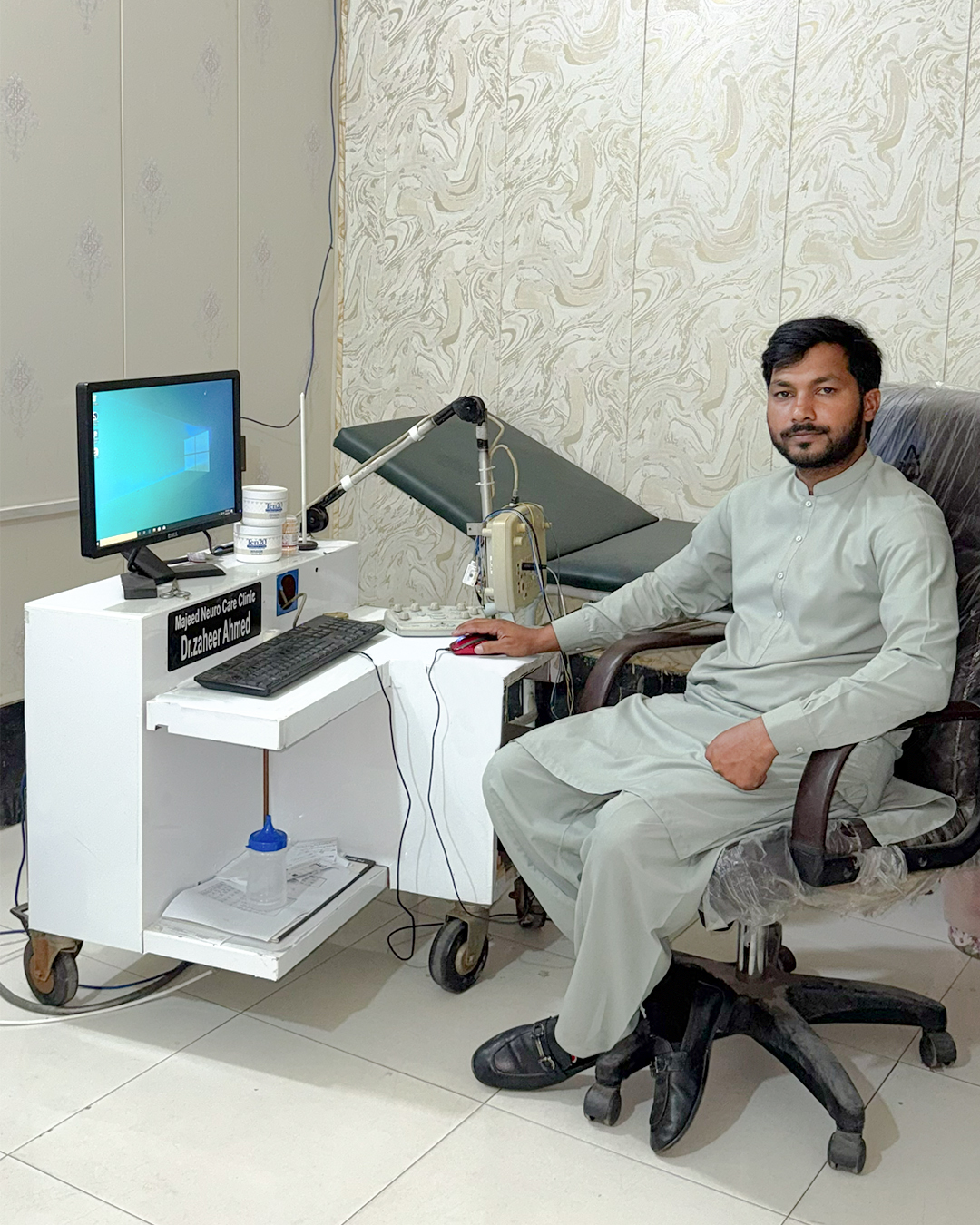
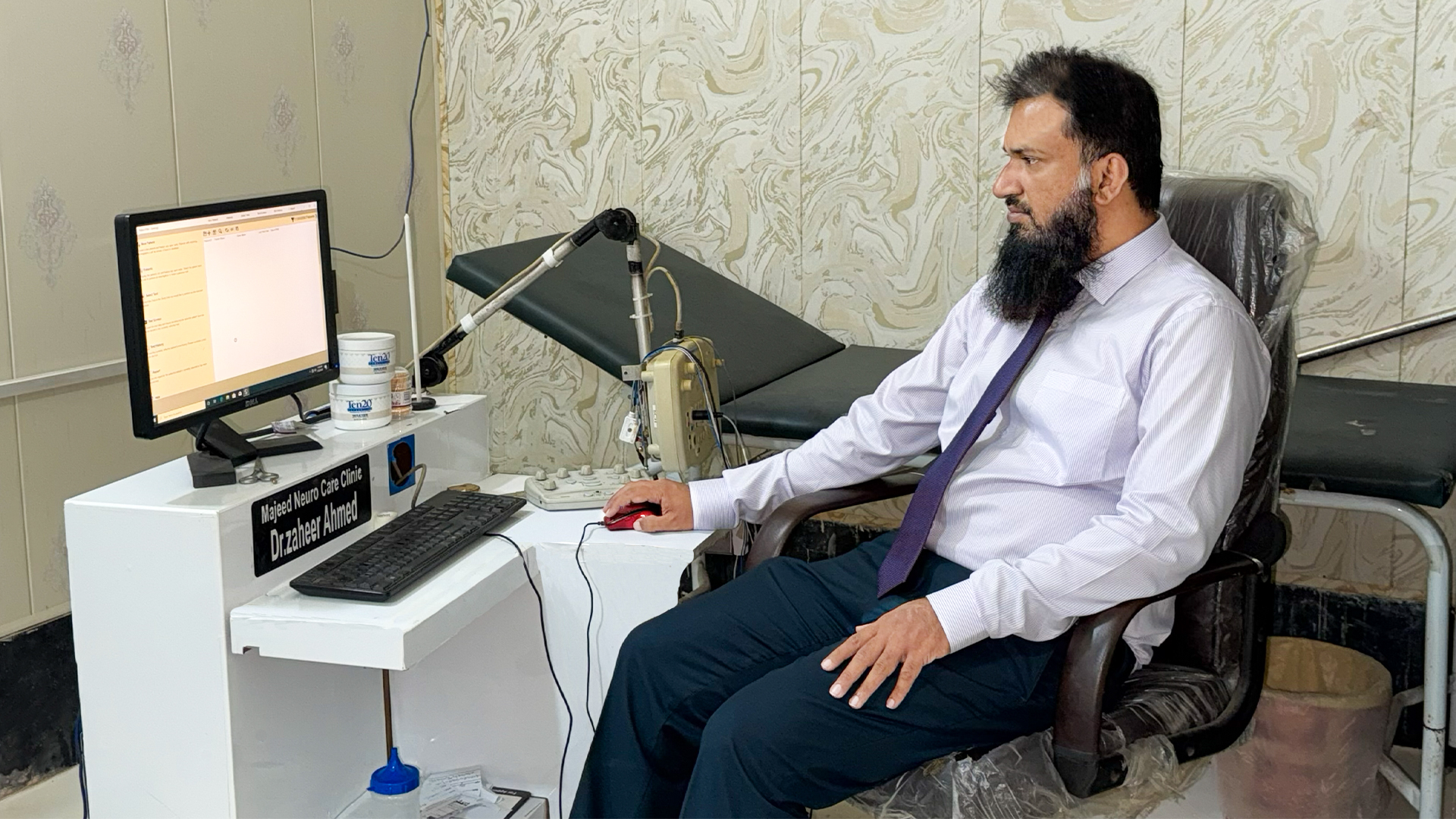
A neurologist can perform a detailed assessment, review medical history, and recommend appropriate tests. Consulting Dr. Zaheer Ahmed, a qualified neurologist and medical specialist at Majeed Neuro Clinic, can help determine the exact cause and guide the best treatment plan.
Treatment & Management of Memory Loss
reatment for memory loss depends on its underlying cause. Some memory problems improve significantly once the root issue is treated.
Common management approaches include:
Identifying Underlying Medical Conditions
Doctors may investigate conditions such as:
- Stroke
- Vitamin deficiencies
- Thyroid disorders
- Depression
- Sleep disorders
- Neurological diseases
Lifestyle Improvements
Healthy habits can support brain function:
- Regular physical activity
- Balanced nutrition
- Quality sleep
- Mental stimulation
- Social interaction
- Stress management
Cognitive Support
Brain-training activities may help maintain mental sharpness:
- Reading
- Puzzles
- Learning new skills
- Memory exercises
Regular Neurological Follow-Up
Patients with progressive memory issues benefit from ongoing monitoring by a neurologist. Early intervention often leads to better outcomes and improved quality of life.
It is important to avoid self-diagnosis and seek professional medical guidance for persistent symptoms.
Prevention Tips for Memory Loss
While not all cases can be prevented, certain habits may help reduce the risk of memory loss and support long-term brain health.
Helpful prevention tips include:
- Maintain healthy blood pressure
- Control diabetes effectively
- Exercise regularly
- Eat a balanced diet
- Stay socially active
- Avoid smoking
- Limit alcohol intake
- Get enough sleep
- Keep your mind active through learning
- Manage stress effectively
Simple daily activities such as walking, reading newspapers, participating in family discussions, and staying connected with friends can contribute positively to cognitive health.
Prevention is most effective when healthy habits are adopted consistently over time.
Frequently Asked Questions (FAQs)
1. Is memory loss always a sign of dementia?
No. Memory loss can result from stress, depression, sleep problems, vitamin deficiencies, medication side effects, or other medical conditions. Dementia is only one possible cause.
2. At what age does dementia usually begin?
Dementia is more common after age 65, but some individuals may develop symptoms earlier depending on genetics and other risk factors.
3. Can memory loss be treated?
Yes. Treatment depends on the underlying cause. Some causes are reversible, while others can be managed to slow progression and improve quality of life.
Conclusion & Call To Action
Experiencing occasional forgetfulness is normal, but persistent memory loss should not be ignored. Understanding the signs, causes, and risk factors can help individuals seek timely medical care. Early evaluation is especially important because many causes of memory problems are treatable.
If you or a loved one is experiencing symptoms of memory loss or concerns about early dementia, consult a qualified neurologist for proper diagnosis and guidance.
Book your appointment today at Majeed Neuro Clinic, Faisalabad. Call 0347-7900817 or visit majeedneuroclinic.com
- Tags:
- Alzheimer Pakistan
- best neurologist for memory loss Faisalabad
- Bhoolne Ki Bimari
- Bhoolne Ki Bimari Ka Ilaj
- bhoolne ki bimari ka ilaj Faisalabad
- Brain Disorders Pakistan
- can memory loss be reversed Pakistan
- Dementia
- Dementia Doctor Faisalabad
- Dementia Symptoms
- dementia treatment without medication Pakistan
- difference between forgetfulness and dementia
- Dr Zaheer Ahmed
- Early Dementia Pakistan
- early dementia symptoms in elderly Pakistan
- early signs of dementia in urdu
- how to improve memory naturally Pakistan
- Majeed Neuro Clinic
- Memory Loss Causes
- memory loss causes in young adults Pakistan
- Memory loss early dementia Pakistan. Memory Loss
- Memory Loss Treatment Faisalabad
- Neuro Physician Faisalabad
- Neurological Conditions
- why do i keep forgetting things Pakistan