




Below are the most common myths about epilepsy in Pakistan — and the real medical facts that replace them. Share this with your family and community.
 MYTH: Epilepsy is caused by Jinn, black magic (Kala Jadu), or a curse.
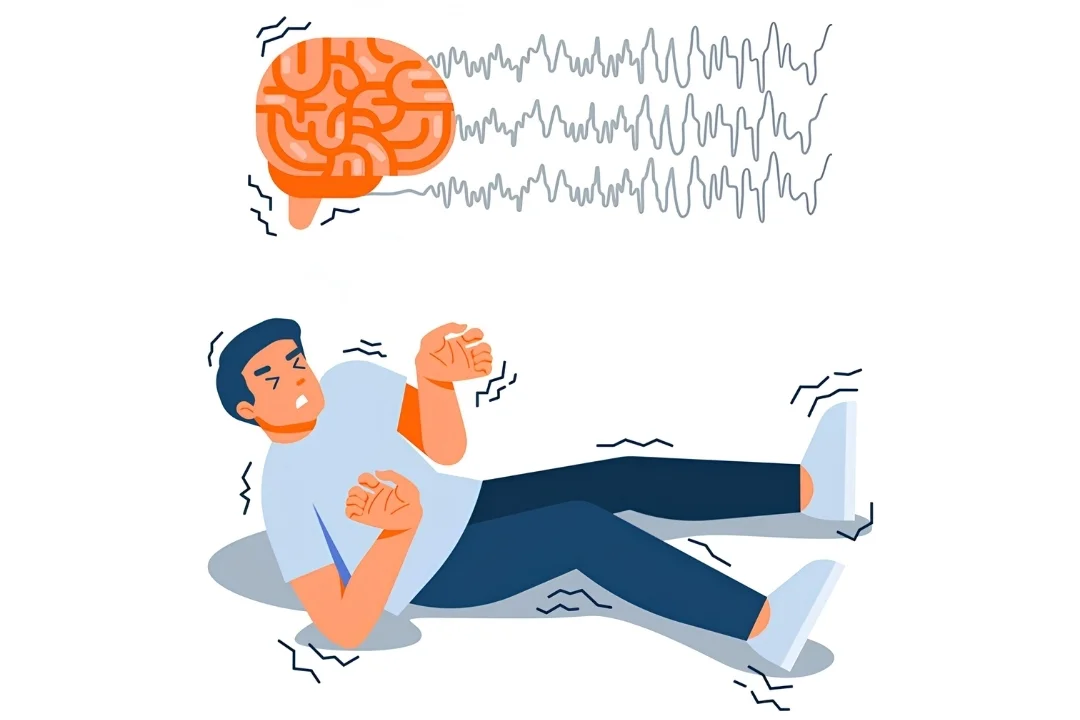
 FACT: Epilepsy is a medical condition caused by abnormal electrical activity in the brain. It has nothing to do with Jinn or black magic. It can be diagnosed with an EEG (brain wave test) and treated by a neurologist. MYTH: You should put something in the person’s mouth during a seizure to stop them swallowing their tongue. FACT: A person cannot swallow their tongue during a seizure — this is anatomically impossible. Putting objects in the mouth is dangerous and can cause serious injury. Never put anything in the mouth during a seizure. MYTH: Epilepsy means the person is mentally ill or intellectually disabled. FACT: Epilepsy is a neurological condition — not a mental illness. Many people with epilepsy have completely normal intelligence. Some of the world’s greatest scientists, artists, and leaders had epilepsy. MYTH: Children with epilepsy cannot go to school or have a normal life. FACT: With proper treatment, the majority of children with epilepsy can attend school, play sports, and live completely normal lives. The goal of treatment is seizure control so the child can thrive. MYTH: Epilepsy cannot be treated — the person will have it forever. FACT: Up to 70% of people with epilepsy can become seizure-free with the right treatment. A neurologist can prescribe anti-epileptic medication, lifestyle guidance, and in some cases surgical options. Early diagnosis leads to much better outcomes. MYTH: Girls with epilepsy cannot get married or have children. FACT: Women with epilepsy can and do get married, have children, and lead healthy lives. Pregnancy requires careful planning and monitoring with a neurologist — but it is absolutely possible. Stigma, not epilepsy, is the real barrier.
 What to do during a seizure: Stay calm. Clear the area of hard objects. Turn the person gently on their side. Do NOT hold them down. Do NOT put anything in their mouth. Time the seizure. Call for help if it lasts more than 5 minutes.
Many Pakistani families delay seeing a neurologist because of stigma or the belief that seizures are supernatural. This delay can lead to injury, worsening of the condition, and reduced quality of life. See a doctor if:
- A person experiences a seizure for the first time
- Seizures are becoming more frequent or more severe
- A seizure lasts longer than 5 minutes (this is a medical emergency)
- The person does not wake up or return to normal after a seizure
- A child is having episodes of staring, blank expression, or uncontrolled movements
- An adult develops new seizures after a head injury or stroke
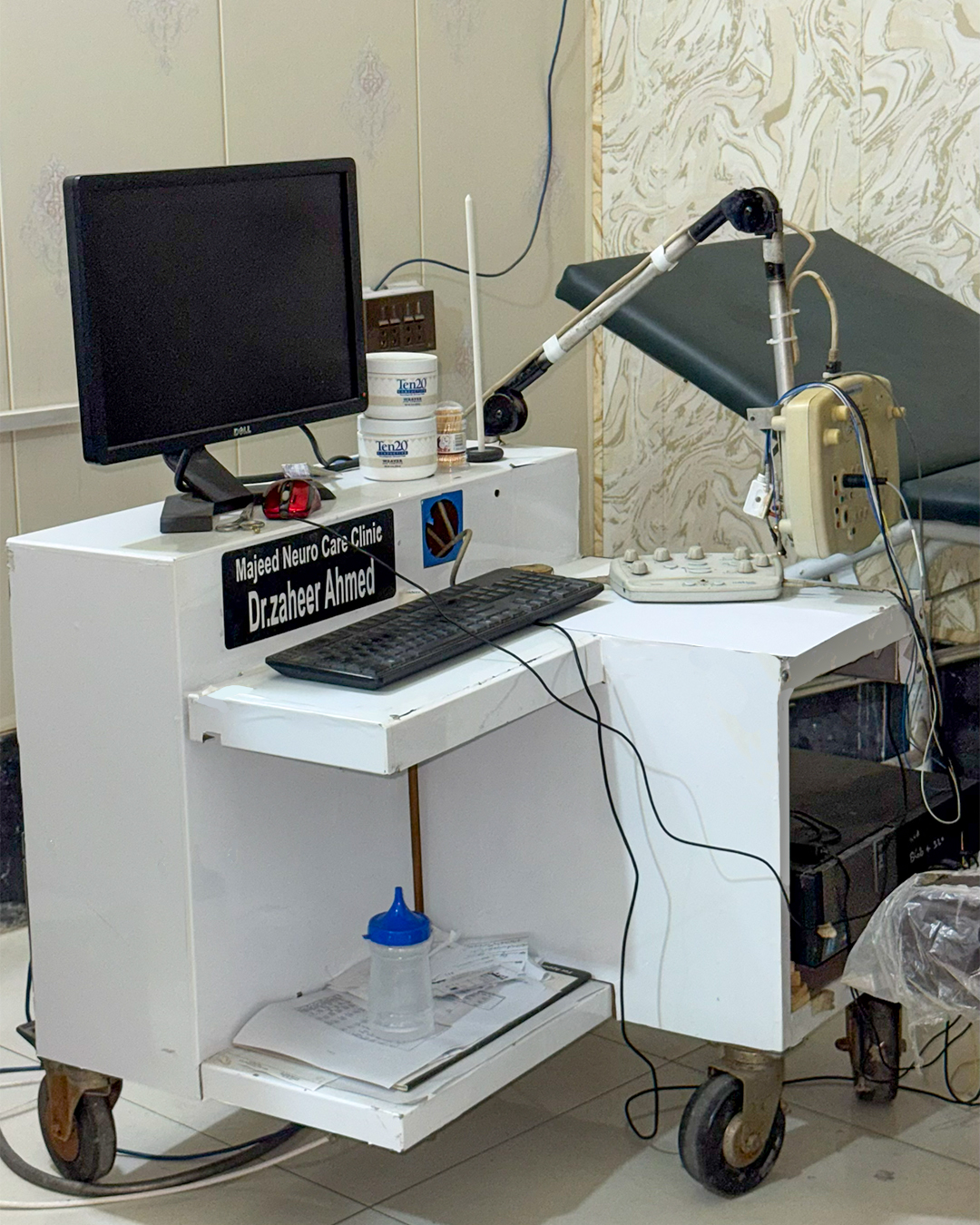
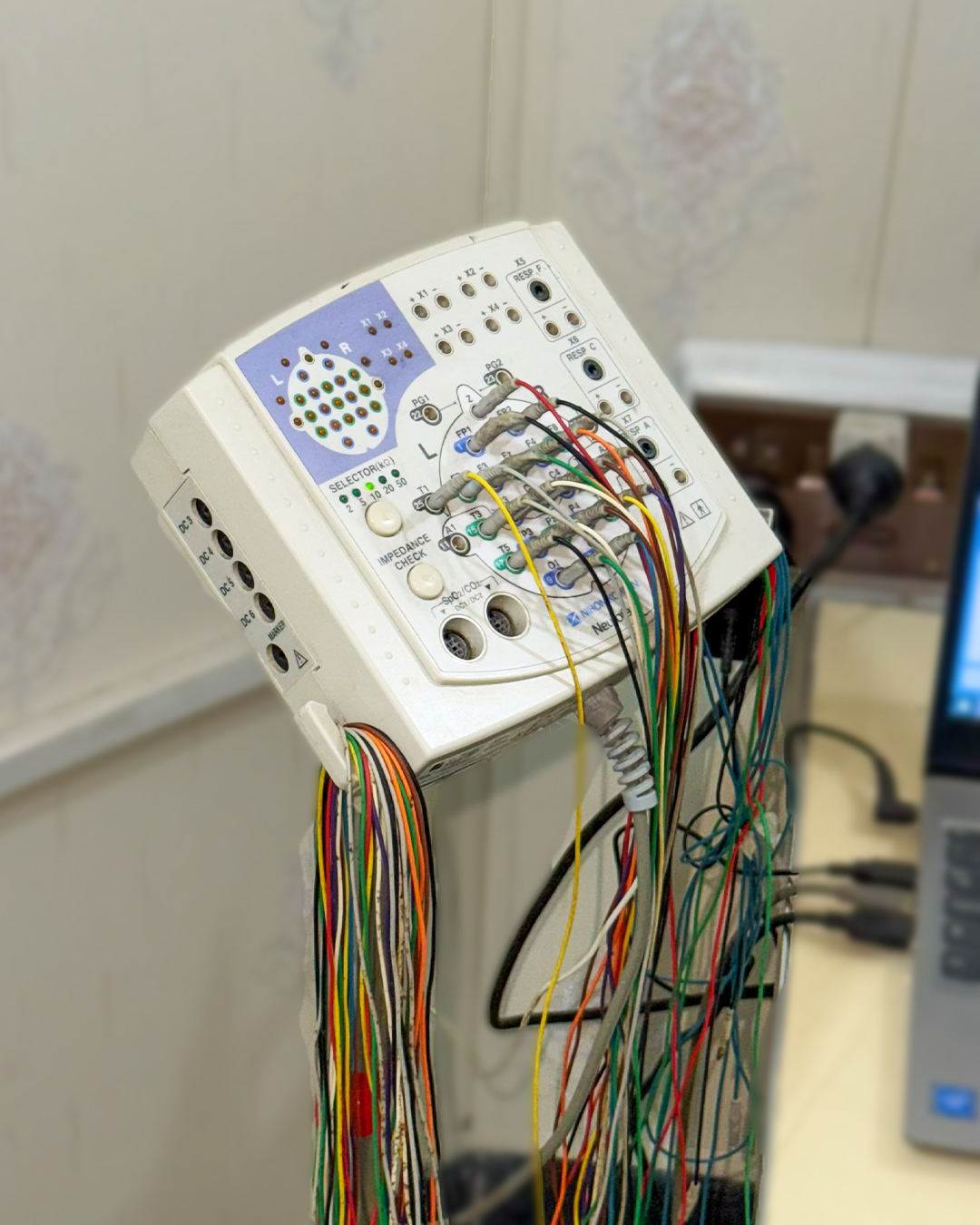
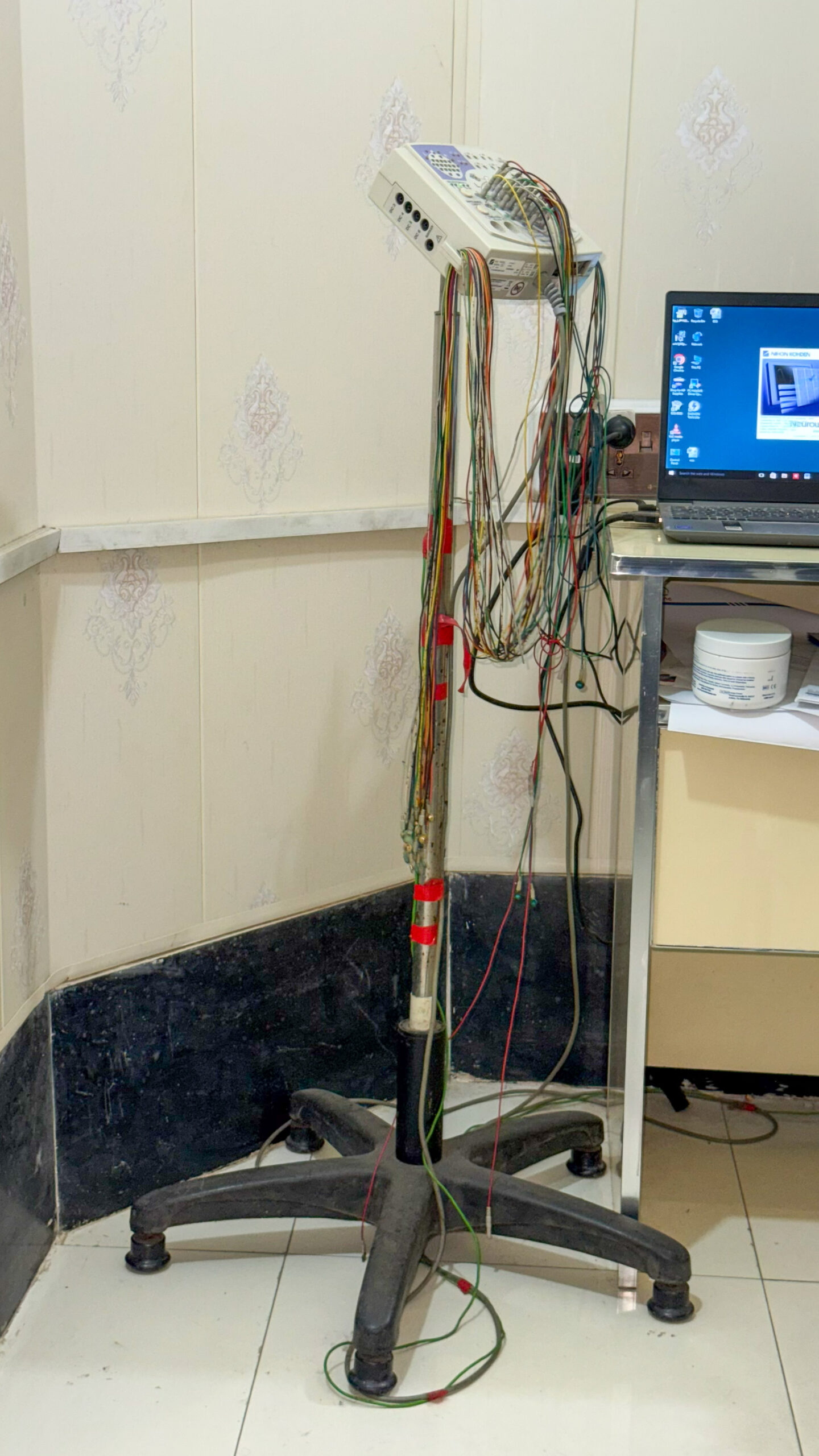
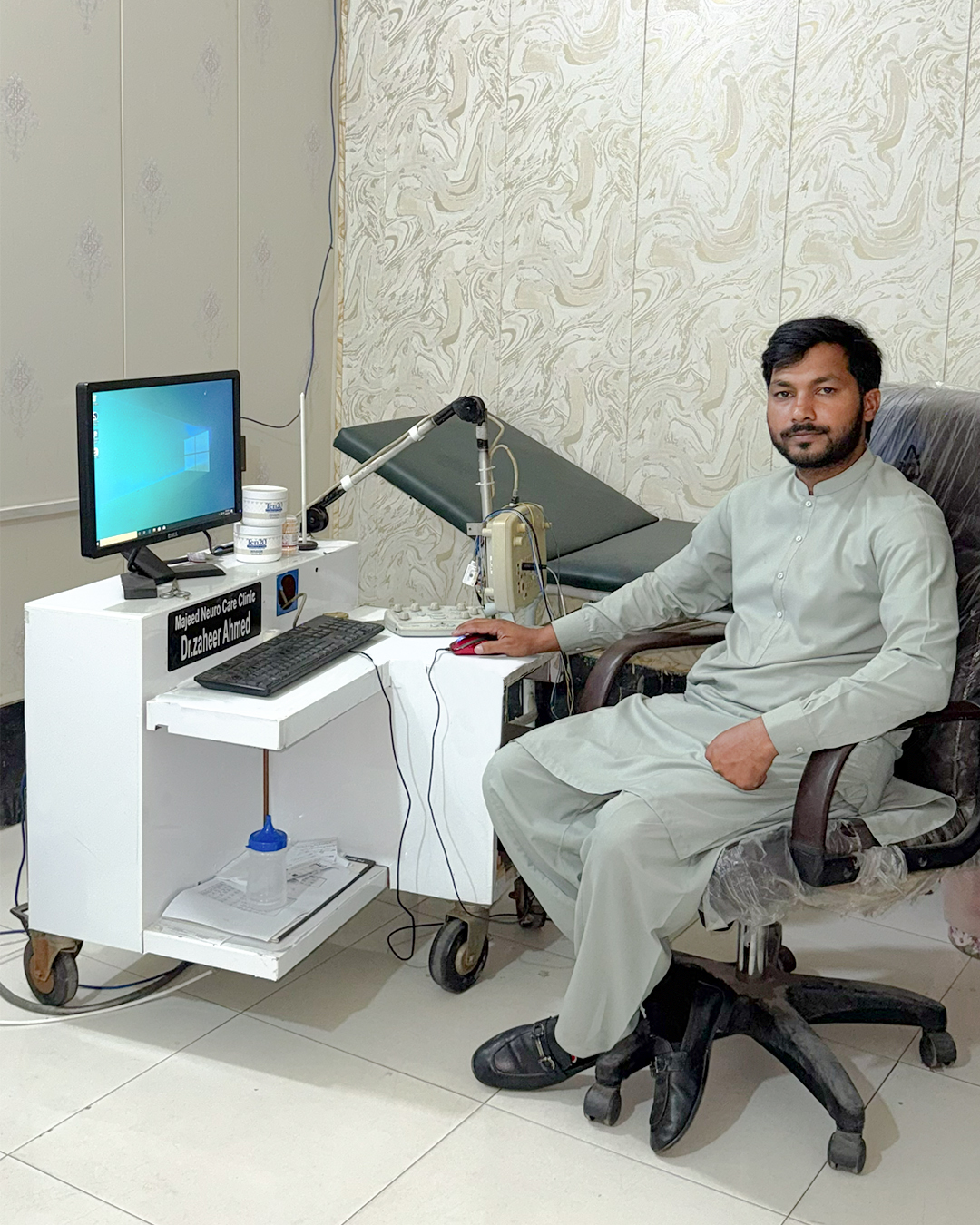
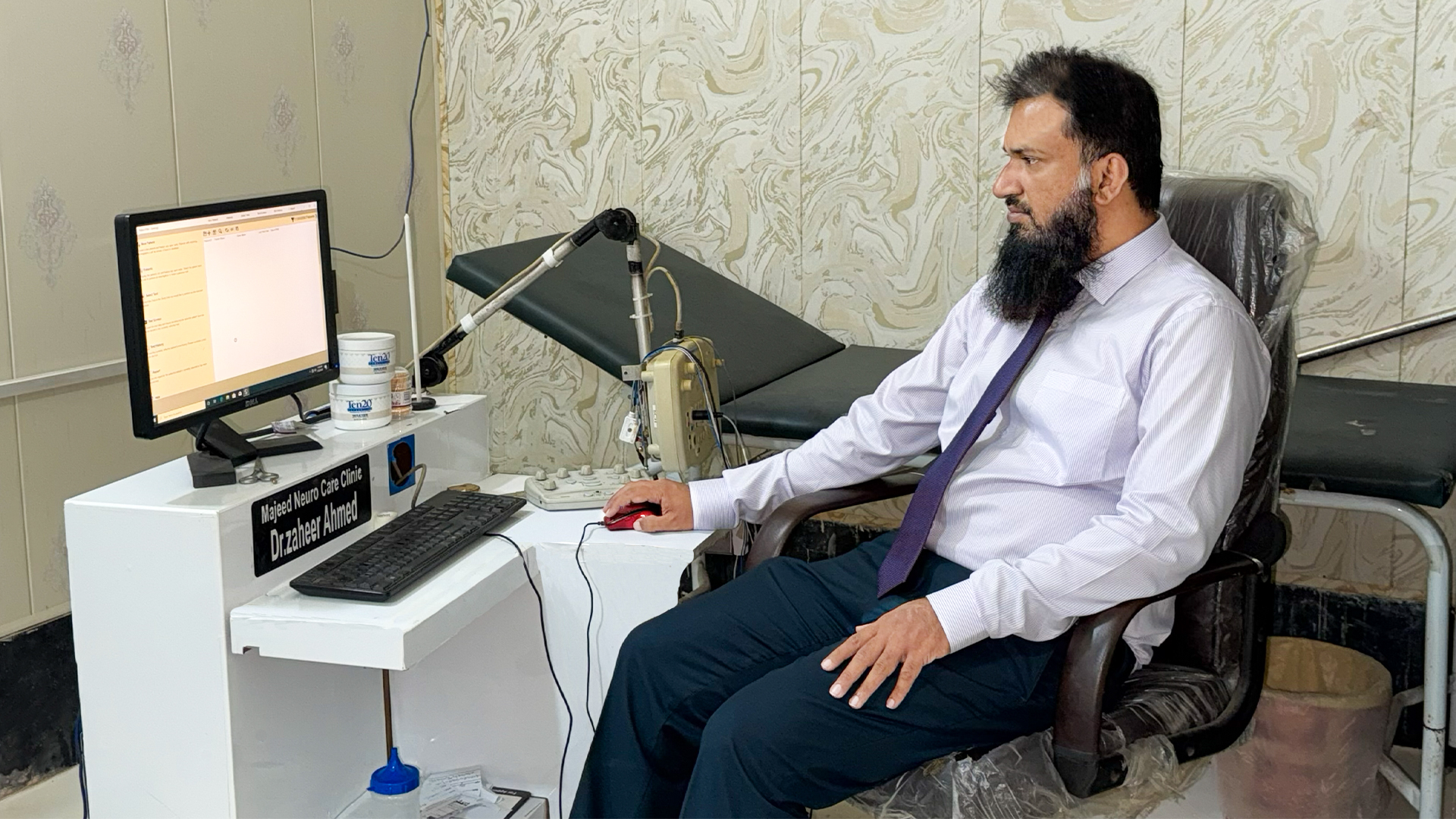
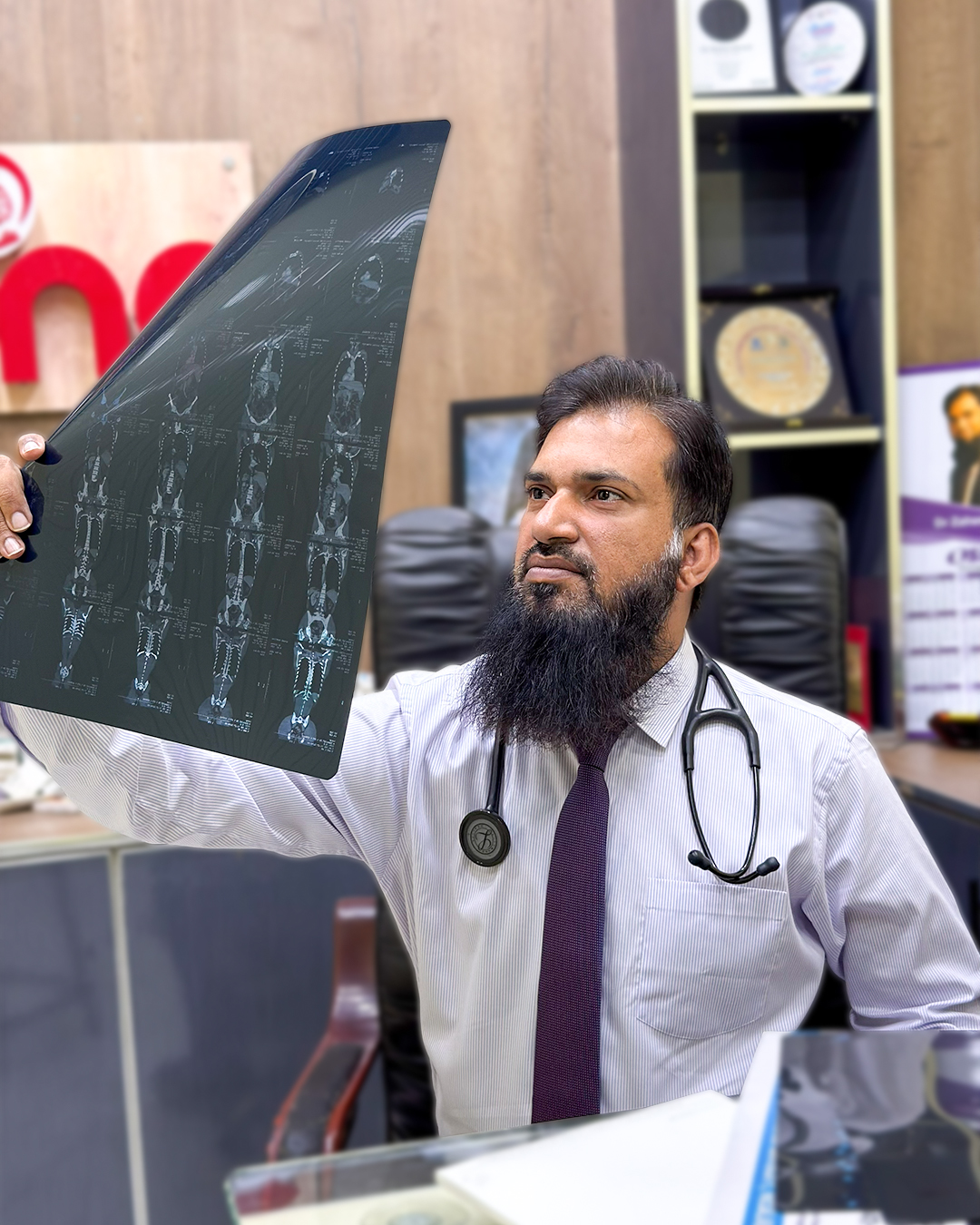
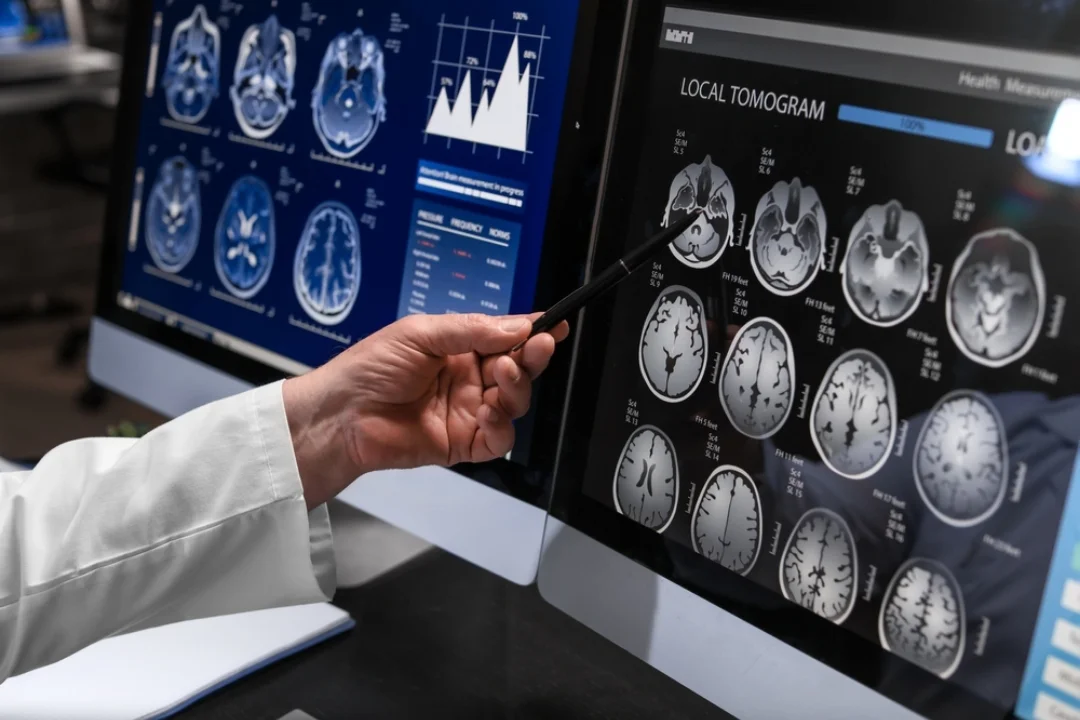
At Majeed Neuro Clinic in Faisalabad, Dr. Zaheer Ahmed — a qualified neurologist and medical specialist — performs a thorough evaluation including clinical history, EEG (Dimagh Ki Lehr Ka Test), and brain imaging to confirm the diagnosis and begin the right treatment.
 Book a Consultation: Call 0347-7900817 or visit majeedneuroclinic.com to schedule your appointment today.
 Is epilepsy (Mirgi) hereditary — can it pass from parents to children?
Some types of epilepsy do have a genetic component, meaning they can run in families. However, having a parent with epilepsy does not automatically mean a child will develop it. Many people with a family history of epilepsy never have a single seizure. If you are concerned about family history, consult Dr. Zaheer Ahmed at Majeed Neuro Clinic for a proper evaluation.
Can a person with epilepsy drive a vehicle in Pakistan?
Driving with active, uncontrolled epilepsy is dangerous and not recommended. However, if a person has been seizure-free for a significant period under medical supervision, their neurologist may advise them on driving eligibility. Always discuss this openly with your neurologist — never drive if your seizures are not under control.
What should I do if someone around me has a seizure?
Stay calm. Clear the area of sharp or hard objects. Gently turn the person on their side to prevent choking. Do NOT hold them down or put anything in their mouth. Time the seizure. If it lasts more than 5 minutes, or the person does not recover, call for emergency help immediately. After the seizure, stay with the person and speak to them calmly as they recover.

Is epilepsy (Mirgi) hereditary — can it pass from parents to children?
Some types of epilepsy do have a genetic component, meaning they can run in families. However, having a parent with epilepsy does not automatically mean a child will develop it. Many people with a family history of epilepsy never have a single seizure. If you are concerned about family history, consult Dr. Zaheer Ahmed at Majeed Neuro Clinic for a proper evaluation.
Can a person with epilepsy drive a vehicle in Pakistan?
Driving with active, uncontrolled epilepsy is dangerous and not recommended. However, if a person has been seizure-free for a significant period under medical supervision, their neurologist may advise them on driving eligibility. Always discuss this openly with your neurologist — never drive if your seizures are not under control.
What should I do if someone around me has a seizure?
Stay calm. Clear the area of sharp or hard objects. Gently turn the person on their side to prevent choking. Do NOT hold them down or put anything in their mouth. Time the seizure. If it lasts more than 5 minutes, or the person does not recover, call for emergency help immediately. After the seizure, stay with the person and speak to them calmly as they recover.
- Tags:
- best neurologist for epilepsy in Faisalabad
- Brain Disorders Pakistan
- can epilepsy be cured permanently
- Dr Zaheer Ahmed
- Epilepsy
- Epilepsy Doctor Faisalabad
- epilepsy in children Pakistan
- Epilepsy Medication Pakistan
- Epilepsy Myths
- epilepsy myths and facts in Pakistan
- Epilepsy Symptoms
- Epilepsy Treatment Pakistan
- epilepsy treatment without medication
- Majeed Neuro Clinic
- Mirgi Ka Ilaj
- mirgi ka ilaj in Faisalabad
- Mirgi Treatment
- Neuro Physician Faisalabad
- Neurological Conditions
- Seizure Causes
- Seizures
- seizures during sleep causes
- what causes seizures in adults