




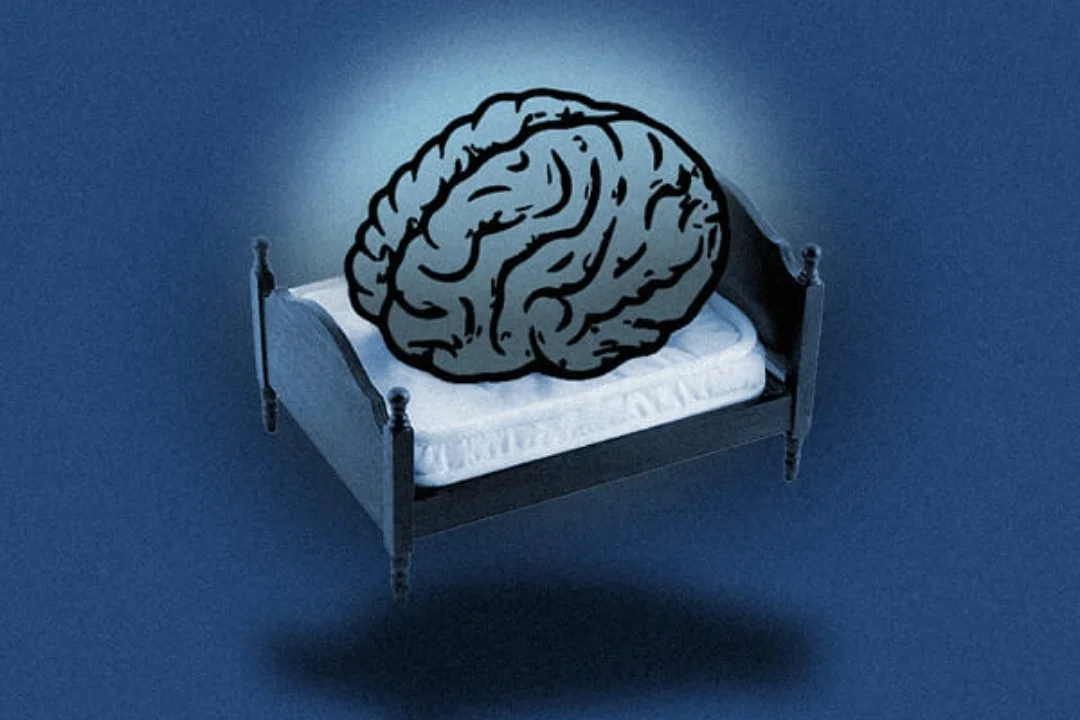

Sleep Disorders & Brain Health — Why Poor Sleep Is a Neurological Warning Sign
Introduction
Sleep is one of the most important functions of the human body, yet many people in Pakistan struggle to get enough quality rest. Busy schedules, stress, excessive screen time, and health conditions often interfere with healthy sleep patterns. While occasional sleepless nights are common, ongoing sleep problems should not be ignored. The connection between sleep disorders and brain health is stronger than many people realize. Poor sleep can affect memory, concentration, mood, and overall neurological function. In some cases, sleep disturbances may even be an early warning sign of an underlying neurological condition. Understanding these risks can help you take the right steps toward better brain health.

What Are Sleep Disorders & Brain Health?
The relationship between sleep disorders and brain health is complex and essential for overall well-being.
A sleep disorder is any condition that regularly disrupts normal sleep patterns. These disorders can affect the quality, timing, or duration of sleep, making it difficult for a person to feel rested and refreshed.
Common sleep disorders include:
- Insomnia
- Sleep apnea
- Restless legs syndrome
- Narcolepsy
- Circadian rhythm disorders
The brain remains highly active during sleep. While resting, the brain processes information, stores memories, removes waste products, and supports healthy nervous system function.
When sleep is repeatedly disrupted, these important processes can become less effective. Over time, poor sleep may affect memory, attention, learning ability, emotional health, and decision-making.
For example, a working professional in Faisalabad who consistently sleeps only four or five hours per night may begin experiencing forgetfulness, poor concentration, and increased irritability. These symptoms can significantly affect daily life and productivity.
Understanding sleep disorders and brain health is important because healthy sleep supports long-term neurological function.
Causes & Risk Factors of Sleep Disorders & Brain Health Problems
Many factors can contribute to sleep disorders and negatively affect brain health.
Common causes include:
- Stress and anxiety
- Depression
- Excessive screen time
- Irregular sleep schedules
- Chronic pain
- Neurological disorders
- Respiratory problems
- Sleep apnea
- Certain medications
- Excessive caffeine consumption
Several risk factors increase the likelihood of sleep-related problems:
- Obesity
- Aging
- High stress levels
- Smoking
- Diabetes
- Heart disease
- Family history of sleep disorders
Sleep apnea deserves special attention because it causes repeated interruptions in breathing during sleep. These interruptions reduce oxygen supply and may increase the risk of stroke, memory problems, and other neurological complications.
In Pakistan, many individuals underestimate the impact of chronic sleep deprivation, often viewing it as a normal part of a busy lifestyle. However, untreated sleep disorders can have serious long-term effects on brain function.

Signs & Symptoms of Sleep Disorders & Brain Health Issues
Recognizing the symptoms of sleep disorders and brain health problems can help individuals seek medical attention before complications develop.
Common symptoms include:
Difficulty falling asleep
Frequent nighttime awakenings
Excessive daytime sleepiness
Loud snoring
Morning headaches
Poor concentration
Memory problems
Irritability
Mood changes
Fatigue despite sleeping
Neurological symptoms linked to poor sleep may include:
Difficulty focusing
Slower thinking
Reduced problem-solving ability
Increased forgetfulness
Trouble learning new information
Sleep deprivation can also affect reaction time and decision-making. This may increase the risk of accidents at work, while driving, or during daily activities.
If these symptoms occur regularly, they may indicate an underlying sleep disorder that requires professional evaluation.
When Should You See a Doctor?
Many people delay seeking help because they assume poor sleep is temporary. However, persistent sleep disturbances should be evaluated by a healthcare professional.
You should consult a doctor if:
Sleep problems continue for several weeks
You regularly feel tired during the day
Snoring is severe or disruptive
You wake up gasping for air
Memory or concentration problems are worsening
Sleep difficulties affect work or daily activities
Mood changes become noticeable
Sleep disorders can sometimes be linked to neurological conditions, making early assessment important.
A neurologist can evaluate symptoms, identify potential causes, and recommend appropriate testing when needed.
Consulting Dr. Zaheer Ahmed at Majeed Neuro Clinic can help determine whether your sleep issues are affecting your neurological health.

Treatment & Management of Sleep Disorders & Brain Health Problems
Treatment for sleep disorders and brain health concerns depends on the specific cause of the sleep disturbance.
Lifestyle Improvements
Many patients benefit from:
- Maintaining a consistent sleep schedule
- Limiting screen use before bedtime
- Avoiding caffeine late in the day
- Creating a comfortable sleep environment
- Exercising regularly
Managing Underlying Conditions
Doctors may evaluate and manage:
- Sleep apnea
- Anxiety
- Depression
- Chronic pain
- Neurological disorders
Sleep Hygiene Practices
Healthy sleep habits include:
- Going to bed at the same time daily
- Keeping the bedroom quiet and dark
- Avoiding heavy meals before bedtime
- Limiting daytime naps
Neurological Assessment
If poor sleep is accompanied by memory problems, headaches, movement disorders, or other neurological symptoms, further evaluation may be necessary.
Proper diagnosis helps identify the root cause and allows for more effective management.
Prevention Tips for Better Sleep & Brain Health
Preventing sleep disorders often involves adopting healthy daily habits.
Helpful prevention tips include:
- Follow a regular sleep routine
- Aim for sufficient nightly sleep
- Reduce stress through relaxation techniques
- Stay physically active
- Avoid smoking
- Limit caffeine intake
- Reduce screen exposure before bedtime
- Maintain a healthy weight
- Seek treatment for snoring or breathing issues
- Attend regular health checkups
Small improvements in sleep habits can have lasting benefits for both brain health and overall well-being.
Consistency is one of the most important factors in maintaining healthy sleep patterns.

Frequently Asked Questions (FAQs)
1. Can poor sleep affect memory?
Yes. Sleep plays a major role in memory formation and information processing. Chronic sleep deprivation can contribute to forgetfulness and concentration difficulties.
2. Are sleep disorders linked to neurological diseases?
Some sleep disorders may be associated with neurological conditions, which is why persistent symptoms should be evaluated by a healthcare professional.
3. How much sleep do adults generally need?
Most adults benefit from approximately 7–9 hours of quality sleep each night, although individual needs may vary.
Conclusion
The connection between sleep disorders and brain health should not be overlooked. Quality sleep helps the brain process information, maintain memory, and support healthy neurological function. Persistent sleep problems may affect concentration, mood, and overall quality of life while sometimes serving as an early warning sign of an underlying neurological condition. Seeking timely medical advice can help identify the cause and improve long-term outcomes.
- Tags:
- Brain Disorders Pakistan
- Brain Health
- Dr Zaheer Ahmed
- Insomnia Causes
- Insomnia Pakistan
- Majeed Neuro Clinic
- Neend Ki Bimari
- Neend Na Aana Ka Ilaj
- Neuro Physician Faisalabad
- Neurological Conditions
- Neurological Sleep Problems
- Sleep Disorder Symptoms
- Sleep Disorders
- Sleep disorders brain health Pakistan
- Sleep Disorders Pakistan
- Sleep Doctor Faisalabad