
loader

Brain Tumor Warning Signs — 10 Symptoms That Need Immediate Attention

Introduction

A brain tumor is a serious medical condition that can affect people of all ages. While brain tumors are relatively uncommon, recognizing the early warning signs is extremely important. Many symptoms may initially seem harmless and are often mistaken for stress, migraines, or general fatigue. However, persistent neurological symptoms should never be ignored. Early diagnosis can help identify the cause of symptoms and improve treatment outcomes. Understanding the common brain tumor warning signs can help patients seek timely medical care and avoid unnecessary delays. In this article, we discuss the most important symptoms, risk factors, treatment options, and when to consult a neurologist.

What Is a Brain Tumor?

A brain tumor is an abnormal growth of cells within the brain or surrounding tissues. Brain tumors can be benign (non-cancerous) or malignant (cancerous). Both types can cause serious health problems because they may place pressure on important areas of the brain.

The brain controls movement, speech, memory, vision, balance, and many other body functions. When a tumor grows, it may interfere with these functions and cause neurological symptoms.

Brain tumors vary in size, location, and growth rate. Some develop slowly over several years, while others grow more rapidly.

A common example is a person who begins experiencing persistent headaches and gradual vision changes. Initially, these symptoms may be ignored, but they can sometimes indicate an underlying neurological condition requiring further evaluation.

The key to managing a brain tumor effectively is recognizing symptoms early and seeking professional medical assessment.

Causes & Risk Factors of Brain Tumors

The exact cause of most brain tumors remains unknown. However, certain factors may increase the risk of developing them.

Common risk factors include:

  • Increasing age

  • Family history of brain tumors

  • Previous exposure to radiation therapy

  • Certain inherited genetic conditions

  • Weakened immune system

Although many people worry that mobile phone use directly causes brain tumors, current scientific evidence has not established a clear causal relationship.

Most brain tumors occur without any obvious risk factors.

It is important to remember that having one or more risk factors does not mean a person will definitely develop a brain tumor. Likewise, individuals without risk factors can still be diagnosed with one.

Regular medical evaluation becomes important whenever persistent neurological symptoms develop.

Signs & Symptoms of Brain Tumor Warning Signs

Recognizing brain tumor warning signs early can lead to faster diagnosis and treatment.

10 Symptoms That Need Immediate Attention

  • Persistent headaches that worsen over time
  • Frequent nausea or vomiting without a clear cause
  • Seizures (Mirgi) in someone with no previous history
  • Blurred vision or double vision
  • Sudden hearing difficulties
  • Weakness in an arm or leg
  • Difficulty maintaining balance
  • Changes in speech or communication
  • Memory problems or confusion
  • Personality or behavioral changes

The symptoms often depend on the location of the tumor within the brain.

For example:

  • Tumors affecting vision centers may cause visual disturbances.
  • Tumors affecting movement centers may cause weakness.
  • Tumors affecting memory areas may cause forgetfulness and confusion.

Many symptoms develop gradually, making them easy to overlook. However, progressive neurological symptoms should always be assessed by a healthcare professional.

When Should You See a Doctor?

Some neurological symptoms require prompt medical attention.

You should consult a doctor if:

  • Headaches become frequent or severe
  • Symptoms continue to worsen
  • Seizures occur unexpectedly
  • Vision changes develop
  • Weakness appears in the arms or legs
  • Balance problems interfere with daily activities
  • Speech difficulties occur
  • Memory problems become noticeable

Immediate medical attention is especially important if symptoms appear suddenly or significantly affect normal functioning.

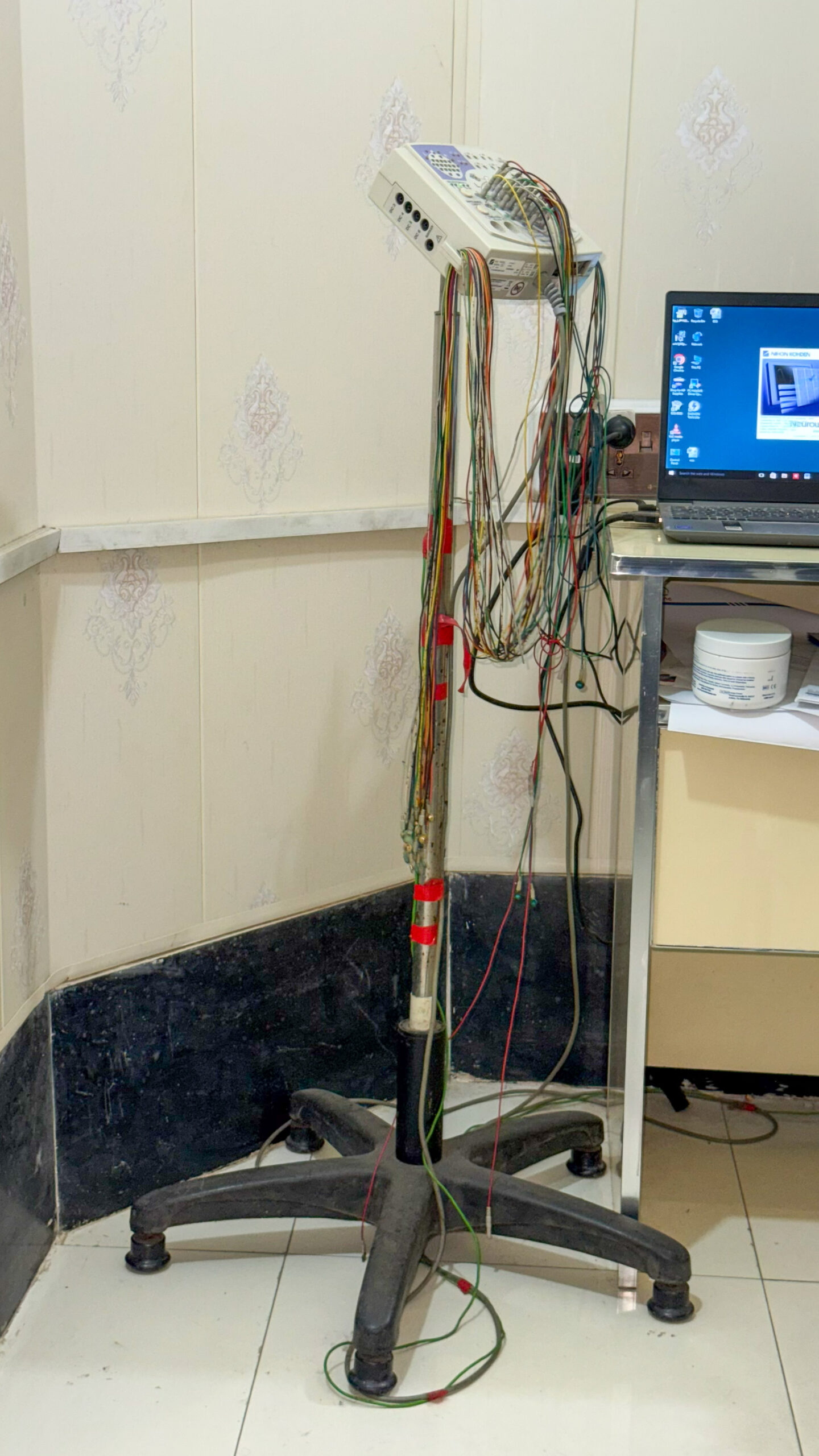
A neurologist can evaluate symptoms, perform a neurological examination, and determine whether additional testing is needed.

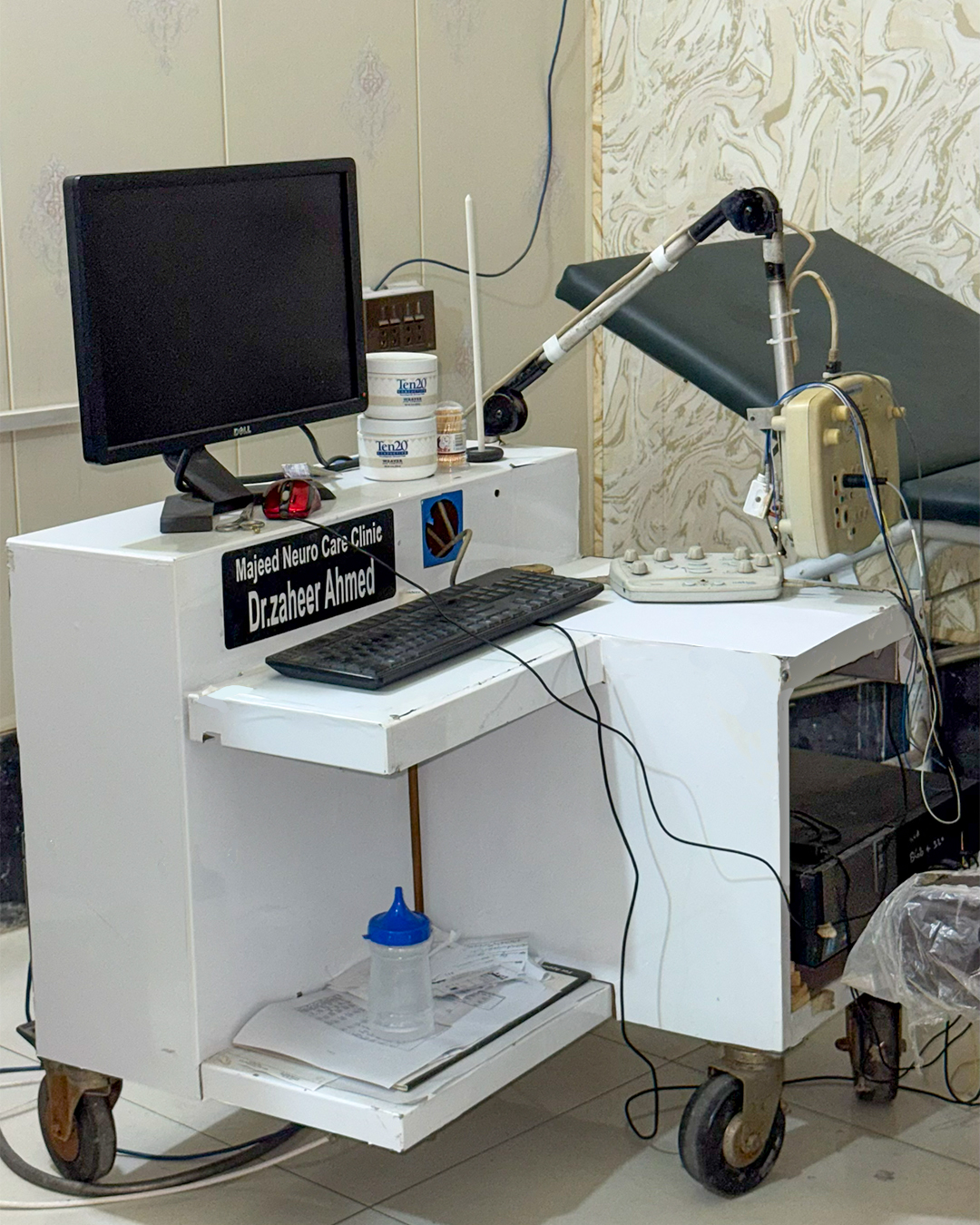
Consulting Dr. Zaheer Ahmed at Majeed Neuro Clinic can help identify the cause of persistent neurological symptoms and guide appropriate next steps.

Treatment & Management of Brain Tumors

Treatment for a brain tumor depends on several factors, including the type, size, location, and growth rate of the tumor.

Diagnostic Evaluation

Doctors may recommend:

  • Neurological examination
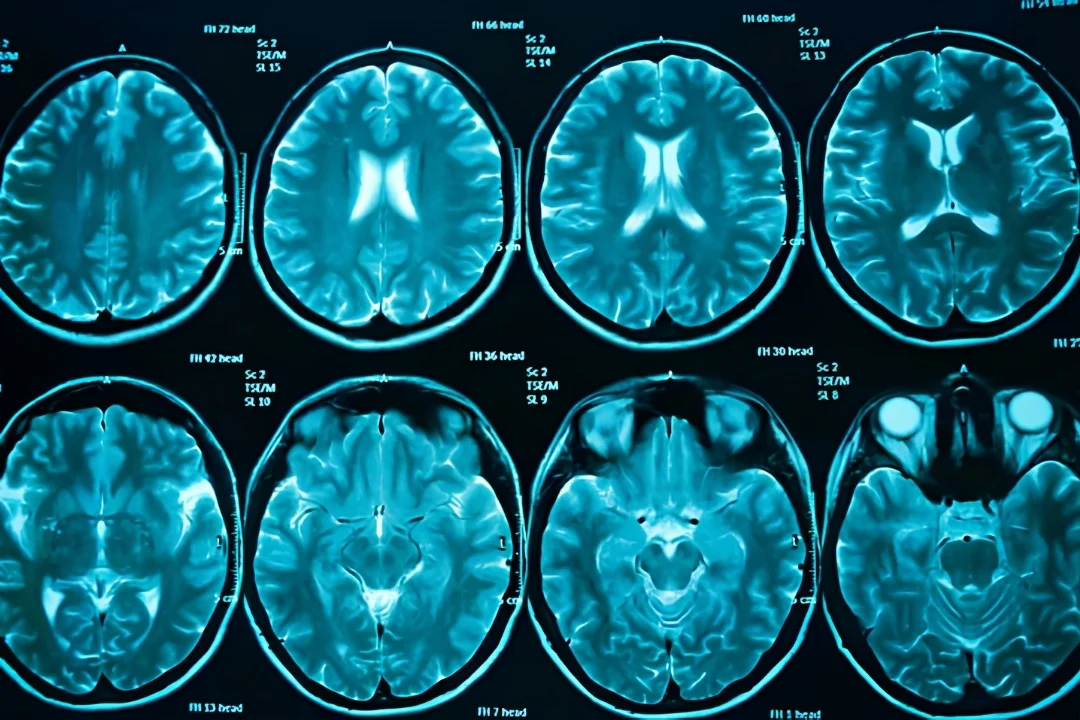
  • Brain imaging studies
  • Detailed medical history review

Treatment Planning

Management options are individualized and may involve a multidisciplinary medical team.

Possible approaches may include:

  • Monitoring selected tumors
  • Surgical intervention when appropriate
  • Radiation therapy
  • Other specialized treatments based on diagnosis

Supportive Care

Patients may also benefit from:

  • Rehabilitation services
  • Physical therapy
  • Occupational therapy
  • Ongoing neurological monitoring

Early diagnosis often provides more treatment options and better long-term outcomes.

Patients should avoid self-diagnosing symptoms and seek professional medical evaluation when concerns arise.

Prevention Tips

Unlike many other neurological conditions, there is no guaranteed way to prevent a brain tumor. However, maintaining overall health can support long-term well-being.

Helpful recommendations include:

  • Attend regular medical checkups
  • Seek evaluation for persistent neurological symptoms
  • Follow workplace safety guidelines regarding radiation exposure
  • Maintain a healthy lifestyle
  • Avoid smoking
  • Exercise regularly
  • Eat a balanced diet
  • Manage chronic medical conditions

The most important preventive strategy is early recognition of symptoms and timely medical consultation.

Prompt evaluation can help identify neurological conditions before complications develop.

Frequently Asked Questions (FAQs)

1. Are all brain tumors cancerous?

No. Brain tumors can be benign (non-cancerous) or malignant (cancerous). Both may require medical evaluation and treatment depending on their location and size.

2. Is a persistent headache always a sign of a brain tumor?

No. Most headaches are not caused by brain tumors. However, headaches that are persistent, worsening, or accompanied by neurological symptoms should be evaluated.

3. Can brain tumors cause seizures?

Yes. Seizures can occur when a brain tumor affects normal electrical activity within the brain.

Conclusion:

Understanding brain tumor warning signs can help individuals recognize when medical attention is needed. Symptoms such as persistent headaches, seizures, vision changes, weakness, memory problems, and balance difficulties should never be ignored. While many of these symptoms can be caused by other conditions, proper neurological evaluation is essential for accurate diagnosis. Early detection often improves treatment options and outcomes.

Book your appointment today at Majeed Neuro Clinic

Leave a Reply

Your email address will not be published. Required fields are marked *

Health Tips & Updates

Stay informed with expert neurological health tips, clinic news, and wellness advice delivered to you.

Working days

  • Weekdays 5:00 - 9:00
  • Friday 8:00 - 9:00
  • Saturday 5:00 - 9:00
  • Sunday Closed

Reach Us

Follow us:

© Copyright 2026 Majeed Neuro Clinic All Rights Reserved.