
loader

Paralysis (Laqwa) in Pakistan — Can It Be Treated If Caught Early?

Paralysis (Laqwa) is a serious medical condition that affects a person’s ability to move certain parts of the body. It can occur suddenly and often leaves patients and families feeling frightened and confused. In Pakistan, paralysis is commonly linked to stroke (Faalij), nerve disorders, spinal cord injuries, and other neurological conditions. The good news is that early diagnosis and treatment can significantly improve recovery in many cases. Understanding the warning signs of paralysis (Laqwa) and seeking immediate medical care can make a major difference in treatment outcomes. This article explains the causes, symptoms, treatment options, and prevention strategies for paralysis in simple language.

What Is Paralysis (Laqwa)?

Paralysis (Laqwa) refers to the loss of muscle function in one or more parts of the body. Depending on the cause, paralysis may affect the face, arms, legs, or an entire side of the body.

Paralysis can be temporary or permanent. It occurs when communication between the brain, spinal cord, and muscles is disrupted. This disruption prevents the affected muscles from receiving signals needed for movement.

There are different types of paralysis:

  • Partial paralysis, where some movement remains
  • Complete paralysis, where movement is completely lost
  • Facial paralysis affecting facial muscles
  • Hemiplegia affecting one side of the body
  • Paraplegia affecting both legs
  • Quadriplegia affecting both arms and legs

In Pakistan, one of the most common causes of paralysis (Laqwa) is stroke (Faalij), where blood flow to part of the brain becomes blocked or interrupted.

For example, an elderly person in Faisalabad may suddenly experience weakness on one side of the body and difficulty speaking. These symptoms require immediate medical attention because early treatment can improve recovery chances.

Causes & Risk Factors of Paralysis (Laqwa)

There are several causes of paralysis (Laqwa), and identifying the underlying cause is essential for proper treatment.

Common causes include:

  • Stroke (Faalij)
  • Brain injuries
  • Spinal cord injuries
  • Brain tumors
  • Multiple sclerosis
  • Neurological disorders
  • Severe infections affecting the nervous system
  • Nerve damage
  • Bell’s palsy affecting facial muscles

Several risk factors can increase the likelihood of developing paralysis:

  • High blood pressure
  • Diabetes
  • High cholesterol
  • Smoking
  • Heart disease
  • Obesity
  • Physical inactivity
  • Family history of stroke

Many people in Pakistan have uncontrolled blood pressure or diabetes, which significantly increases the risk of stroke-related paralysis.

Managing these health conditions early can help reduce the chances of developing serious neurological complications.

Signs & Symptoms of Paralysis (Laqwa)

Recognizing the symptoms of paralysis (Laqwa) early is extremely important because prompt medical care can improve outcomes.

Common symptoms include:

  • Sudden weakness in the face, arm, or leg
  • Inability to move part of the body
  • Facial drooping
  • Difficulty speaking
  • Slurred speech
  • Difficulty swallowing
  • Loss of balance
  • Difficulty walking
  • Numbness or tingling sensations
  • Vision problems

Symptoms may appear suddenly, particularly when paralysis is caused by a stroke.

FAST Warning Signs of Stroke

Remember the FAST method:

  • F – Face Drooping
  • A – Arm Weakness
  • S – Speech Difficulty
  • T – Time to Seek Emergency Help

If these symptoms appear, immediate medical attention is necessary.

Many patients recover better when treatment begins within the first few hours after symptoms start.

When Should You See a Doctor for Paralysis (Laqwa)?

You should seek urgent medical attention immediately if you experience symptoms of paralysis (Laqwa).

Do not wait if you notice:

  • Sudden weakness on one side of the body
  • Facial drooping
  • Difficulty speaking
  • Sudden loss of balance
  • Sudden vision changes
  • Difficulty moving an arm or leg
  • Numbness that appears suddenly

Paralysis caused by stroke is a medical emergency. Delaying treatment can increase the risk of permanent disability.

Even if symptoms improve after a short period, medical evaluation is still necessary because temporary symptoms may indicate a warning sign of a future stroke.

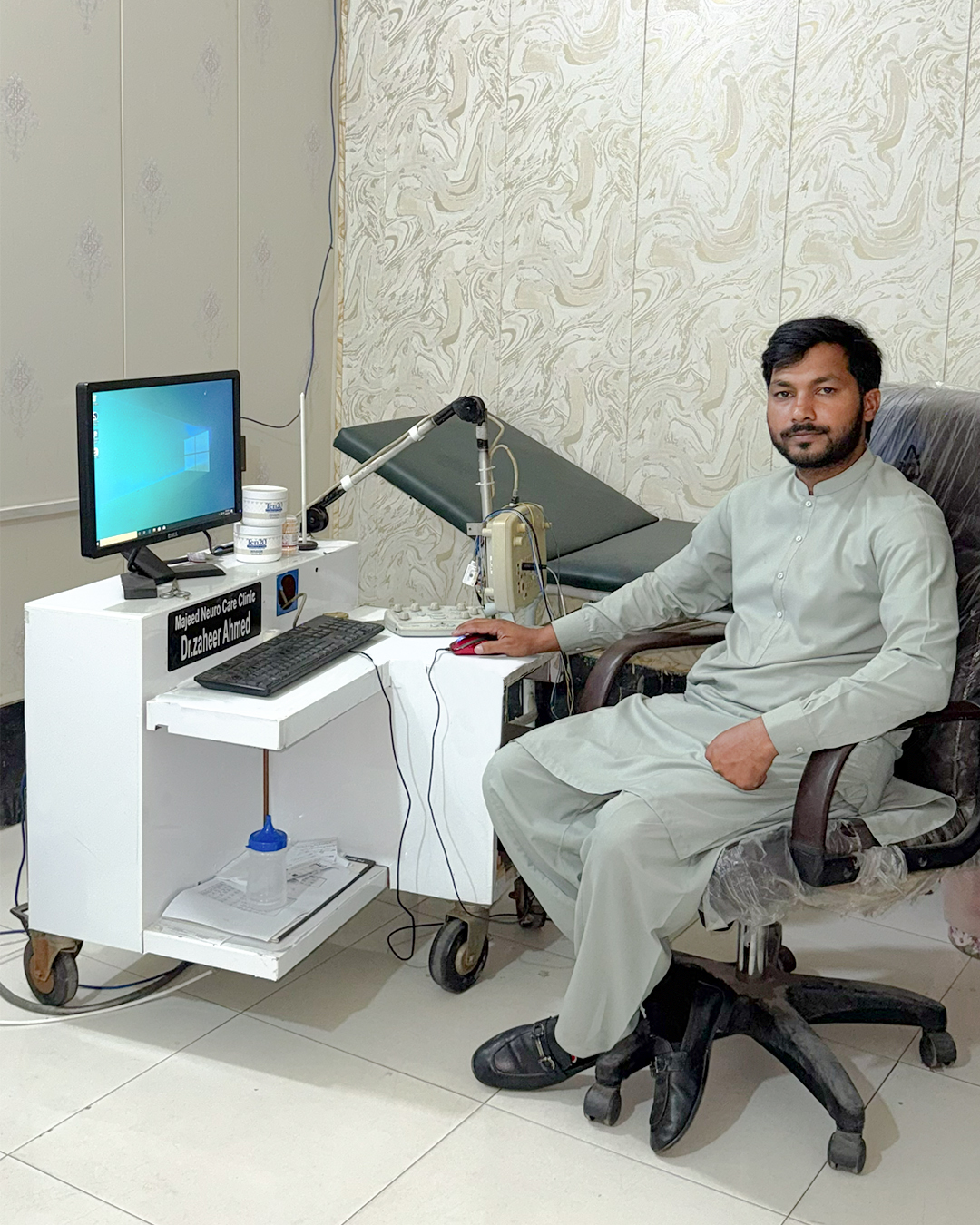
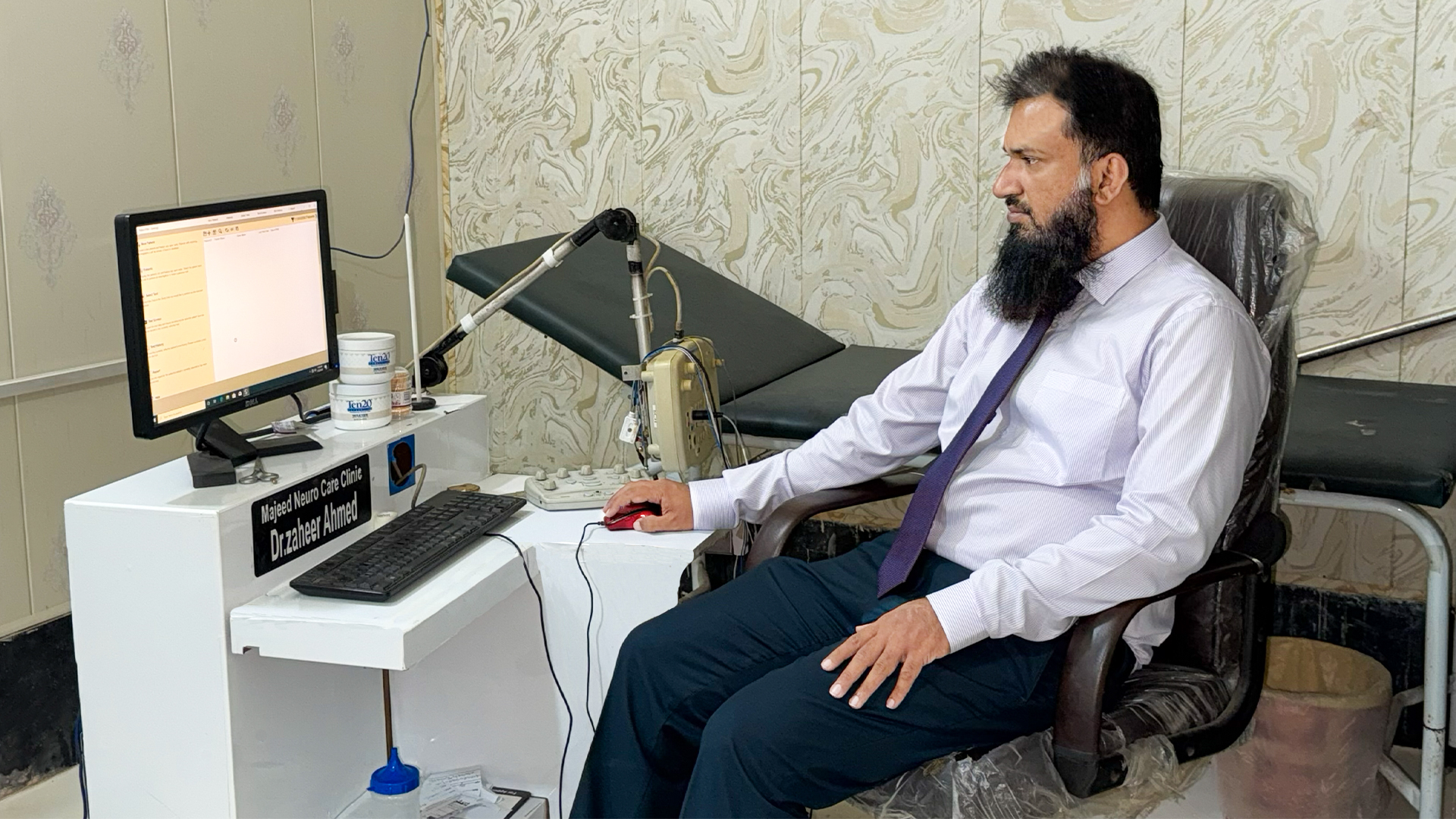
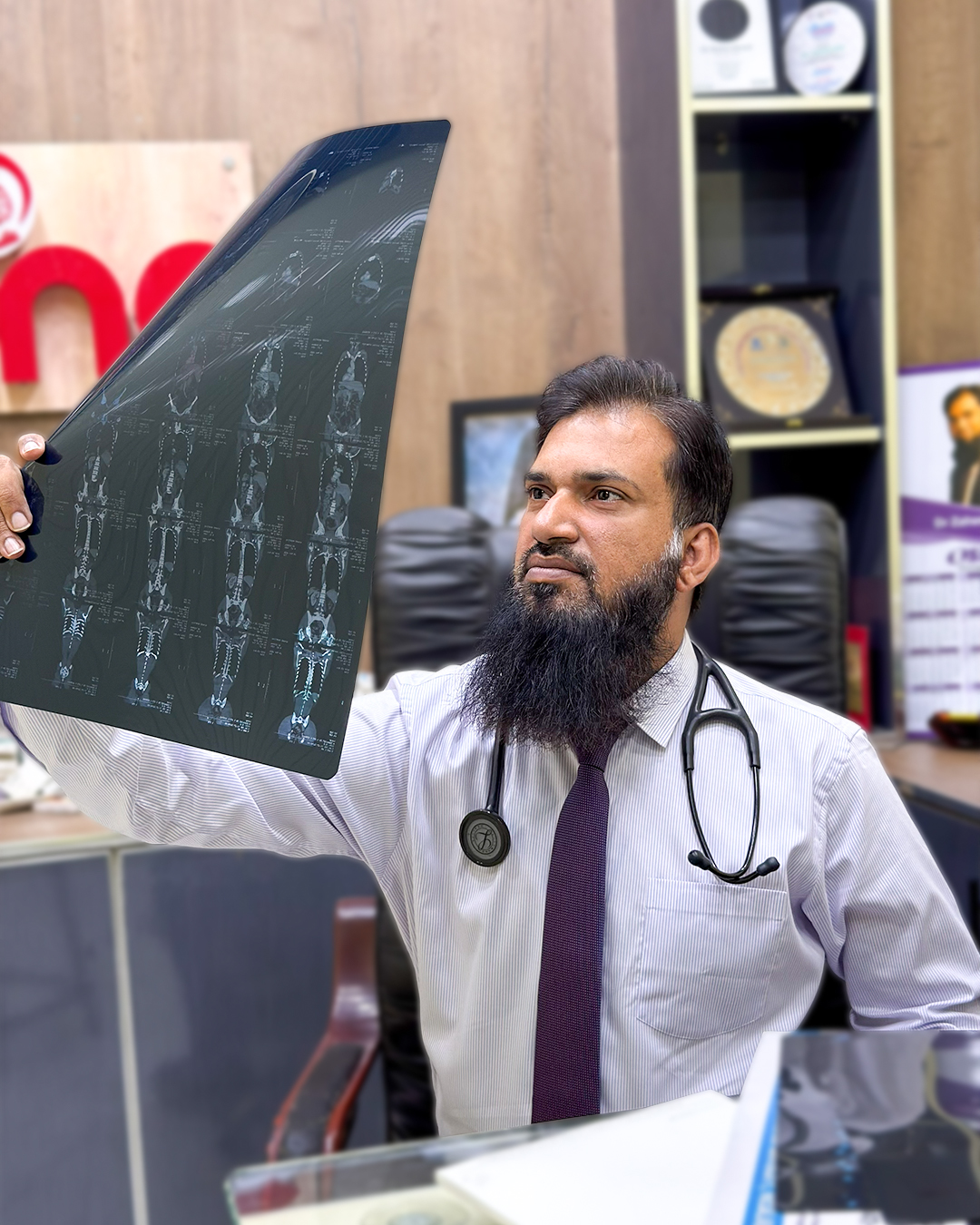
Consulting a neurologist such as Dr. Zaheer Ahmed can help determine the cause and start appropriate treatment as quickly as possible.

Treatment & Management of Paralysis (Laqwa)

One of the most common questions patients ask is whether paralysis (Laqwa) can be treated if caught early.

In many cases, the answer is yes. Early diagnosis and treatment often improve recovery outcomes significantly.

Emergency Medical Care

For stroke-related paralysis, immediate medical treatment is critical. The earlier treatment begins, the better the chances of reducing brain damage.

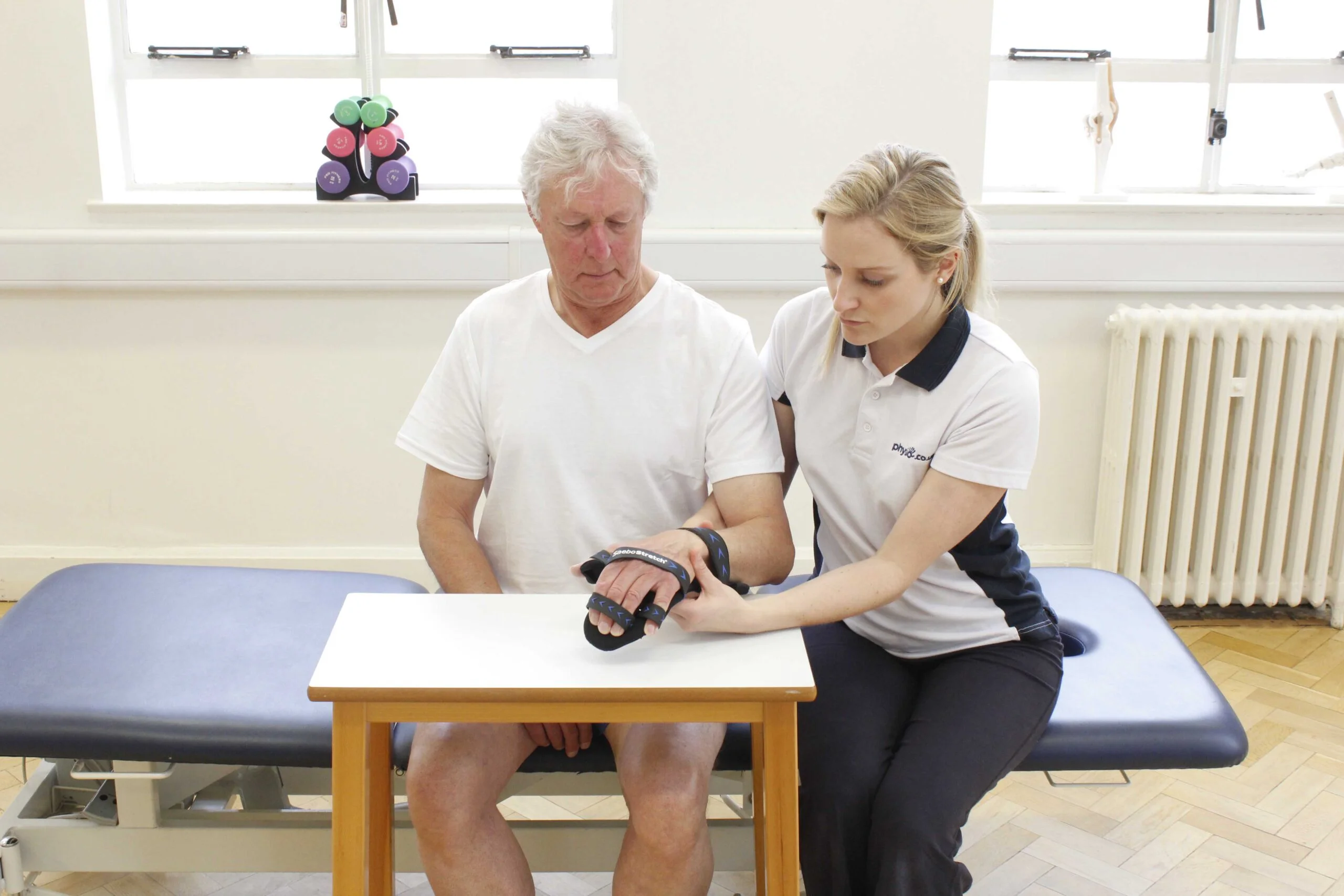
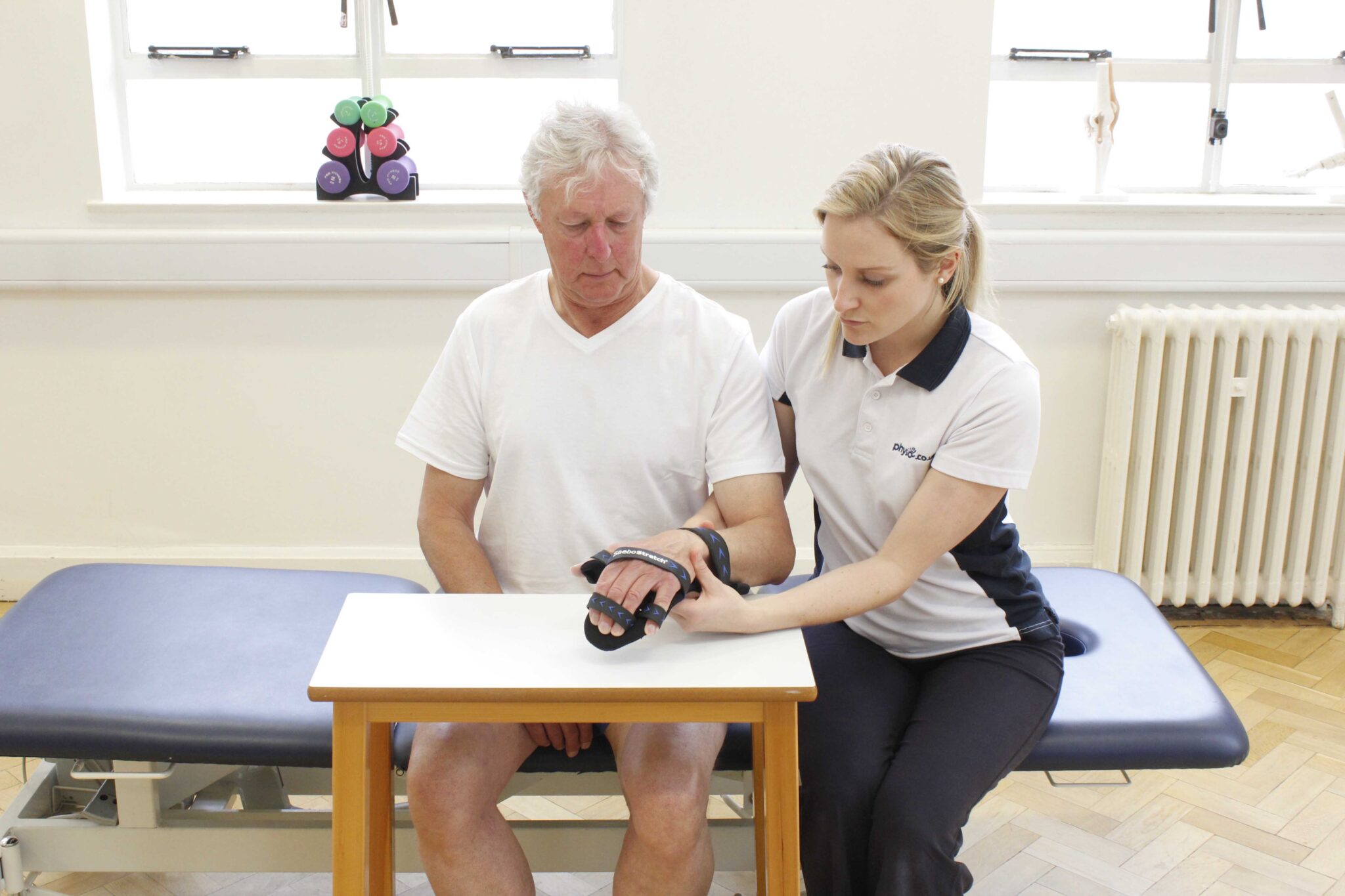
Rehabilitation Therapy

Recovery often involves:

  • Physical therapy
  • Occupational therapy
  • Speech therapy
  • Balance and mobility training
Managing Underlying Conditions

Doctors may focus on controlling:

  • High blood pressure
  • Diabetes
  • High cholesterol
  • Heart disease
Long-Term Neurological Care

Regular follow-up with a neurologist helps monitor progress and adjust treatment plans as needed.

Every patient’s recovery journey is different. Some individuals regain significant movement, while others may require ongoing rehabilitation and support.

The key message is that early intervention provides the best opportunity for improvement.

Prevention Tips for Paralysis (Laqwa)

Many cases of paralysis (Laqwa), especially those caused by stroke, can be prevented through healthy lifestyle choices.

Important prevention tips include:

  • Control blood pressure regularly
  • Manage diabetes effectively
  • Maintain healthy cholesterol levels
  • Avoid smoking
  • Exercise regularly
  • Eat a balanced diet
  • Maintain a healthy weight
  • Limit excessive salt intake
  • Attend regular medical checkups
  • Follow your doctor’s advice for chronic conditions

Taking proactive steps today can significantly reduce the risk of future neurological problems.

Prevention remains one of the most effective ways to protect long-term brain health.

Frequently Asked Questions (FAQs)


1. Can paralysis be cured completely?

Recovery depends on the cause, severity, and how quickly treatment begins. Some patients recover significantly, while others may have lasting limitations.

2. Is paralysis always caused by stroke?

No. Paralysis can also result from spinal cord injuries, nerve disorders, infections, brain injuries, and other neurological conditions.

3. How important is early treatment for paralysis?

Early treatment is extremely important. Prompt medical care often improves recovery and reduces the risk of permanent disability.

Conclusion & Call To Action

Paralysis (Laqwa) is a serious neurological condition, but early diagnosis and treatment can greatly improve recovery outcomes. Recognizing warning signs such as sudden weakness, facial drooping, and speech difficulties can help patients receive timely medical care. If you or a loved one experiences symptoms of paralysis, do not delay seeking professional medical attention. Early intervention can make a significant difference in recovery and quality of life.

Book your appointment today at Majeed Neuro Clinic, Faisalabad. Call 0347-7900817 or visit majeedneuroclinic.com

Leave a Reply

Your email address will not be published. Required fields are marked *

Health Tips & Updates

Stay informed with expert neurological health tips, clinic news, and wellness advice delivered to you.

Working days

  • Weekdays 5:00 - 9:00
  • Friday 8:00 - 9:00
  • Saturday 5:00 - 9:00
  • Sunday Closed

Reach Us

Follow us:

© Copyright 2026 Majeed Neuro Clinic All Rights Reserved.