
loader

Chronic Headaches vs Migraines: What's The Difference & When To See a Neurologist

Many people experience headaches from time to time, but when the pain becomes frequent or severe, it can affect daily life, work, and family responsibilities. Understanding the difference between chronic headaches vs migraines is important because these conditions are not the same. While both can cause head pain, their symptoms, triggers, and treatment approaches may differ significantly. In Pakistan, many individuals continue to suffer without realizing that recurring headaches may require medical attention. This article explains the key differences between chronic headaches and migraines, their causes, symptoms, treatment options, and when it is time to consult a neurologist.

What Is Chronic Headaches vs Migraines?

Understanding chronic headaches vs migraines starts with knowing what each condition means.

A chronic headache is a headache that occurs frequently, usually 15 or more days per month for at least three months. These headaches may vary in intensity and can include tension headaches, chronic daily headaches, or other headache disorders.

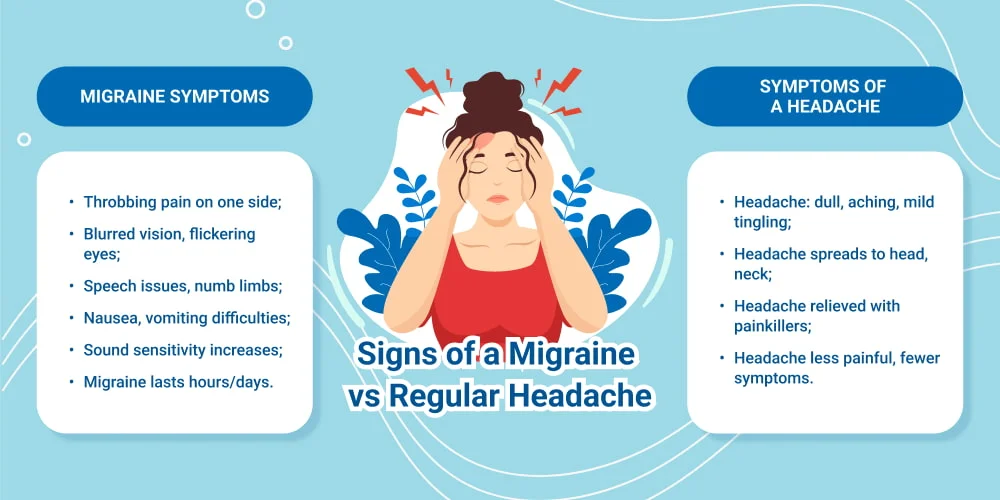
A migraine is a neurological condition that causes moderate to severe headache pain, often accompanied by additional symptoms such as nausea, sensitivity to light, and sensitivity to sound. Migraine attacks may last from a few hours to several days.

The main difference between chronic headaches vs migraines is that migraines often involve neurological symptoms and can significantly disrupt normal activities. Chronic headaches may cause persistent discomfort, but they do not always include the additional symptoms commonly seen in migraines.

For example, a person in Faisalabad who experiences mild head pressure every day may have chronic headaches, while someone who develops severe throbbing pain, nausea, and sensitivity to light may be suffering from migraines.

Proper diagnosis is essential because effective treatment depends on identifying the specific headache type.

Causes & Risk Factors of Chronic Headaches vs Migraines

Several factors can contribute to both chronic headaches and migraines.

Common causes of chronic headaches include:

  • Stress and anxiety
  • Poor posture
  • Lack of sleep
  • Excessive screen time
  • Eye strain
  • Medication overuse
  • Dehydration

Common migraine triggers include:

  • Hormonal changes
  • Emotional stress
  • Certain foods and beverages
  • Sleep disturbances
  • Bright lights
  • Strong smells
  • Weather changes

Risk factors for both conditions may include:

  • Family history
  • High stress levels
  • Poor sleep habits
  • Obesity
  • Smoking
  • Lack of physical activity

People with a family history of migraines are more likely to develop them. Similarly, individuals with demanding work schedules and chronic stress may experience frequent headaches.

Understanding the causes behind chronic headaches vs migraines can help patients identify triggers and seek appropriate treatment.

Signs & Symptoms of Chronic Headaches vs Migraines

Recognizing symptoms is one of the easiest ways to distinguish chronic headaches vs migraines.

Symptoms of Chronic Headaches
  • Persistent head pain
  • Pressure or tightness around the head
  • Mild to moderate discomfort
  • Pain on both sides of the head
  • Frequent occurrence throughout the month
Symptoms of Migraines
  • Moderate to severe throbbing pain
  • Pain usually on one side of the head
  • Nausea or vomiting
  • Sensitivity to light
  • Sensitivity to sound
  • Blurred vision
  • Dizziness
  • Difficulty concentrating

Some people experience a migraine aura before the headache begins. This may include visual disturbances such as flashing lights, blind spots, or tingling sensations.

Unlike chronic headaches, migraines often make routine activities difficult. Many patients prefer resting in a dark, quiet room until symptoms improve.

If symptoms become more frequent or severe, medical evaluation is recommended.

When Should You See a Doctor for Chronic Headaches vs Migraines?

While occasional headaches are common, certain warning signs should never be ignored.

You should consult a neurologist if:

  • Headaches occur frequently
  • Pain is becoming more severe
  • Over-the-counter remedies are no longer helping
  • Headaches interfere with work or daily activities
  • You experience vision changes
  • You have weakness, numbness, or speech difficulties
  • Headaches wake you from sleep
  • Symptoms suddenly become worse

Persistent headaches can sometimes be linked to neurological conditions that require professional evaluation.

A neurologist can assess your symptoms, identify the underlying cause, and recommend the most appropriate treatment plan. Early diagnosis often helps prevent complications and improves quality of life.

If you are struggling with chronic headaches vs migraines, consulting Dr. Zaheer Ahmed at Majeed Neuro Clinic can provide clarity and expert guidance.

Treatment & Management of Chronic Headaches vs Migraines

Treatment for chronic headaches vs migraines depends on the underlying cause and severity of symptoms.

Medical Evaluation

A neurologist may perform:

  • Detailed medical history review
  • Neurological examination
  • Imaging studies if necessary
  • Assessment of headache patterns
Lifestyle Modifications

Many patients benefit from:

  • Regular sleep schedules
  • Proper hydration
  • Stress management
  • Healthy eating habits
  • Regular exercise
Trigger Management

Keeping a headache diary can help identify triggers such as:

  • Certain foods
  • Stressful situations
  • Sleep disturbances
  • Environmental factors
Ongoing Neurological Care

Regular follow-up with a neurologist helps monitor symptoms and adjust management strategies when necessary.

Patients should avoid self-diagnosing recurring headaches. Professional evaluation ensures accurate diagnosis and appropriate treatment.

Prevention Tips for Chronic Headaches vs Migraines

Prevention plays an important role in reducing headache frequency and severity.

Helpful prevention strategies include:

  • Maintain a regular sleep routine
  • Stay hydrated throughout the day
  • Eat balanced meals on time
  • Manage stress effectively
  • Exercise regularly
  • Limit excessive screen time
  • Avoid known migraine triggers
  • Practice good posture
  • Reduce caffeine overuse
  • Schedule regular medical checkups

Simple lifestyle improvements can significantly reduce the burden of both chronic headaches and migraines.


Consistency is key. Healthy habits maintained over time often provide the best results.

Frequently Asked Questions (FAQs)

 
1. Are migraines more serious than regular headaches?

Migraines are generally more complex because they involve neurological symptoms such as nausea, light sensitivity, and visual disturbances.

2. Can stress cause both headaches and migraines?

Yes. Stress is one of the most common triggers for both chronic headaches and migraine attacks.

3. When should I consult a neurologist for headaches?

You should seek neurological evaluation if headaches are frequent, severe, worsening, or affecting your daily activities.

Conclusion & Call To Action

Understanding chronic headaches vs migraines can help you recognize symptoms early and seek appropriate care. While occasional headaches are common, recurring or severe head pain should not be ignored. Proper diagnosis is essential because different headache disorders require different treatment approaches. Early neurological evaluation can help identify triggers, improve symptom control, and enhance quality of life.

If you are experiencing frequent headaches or migraines, consult Dr. Zaheer Ahmed for expert neurological assessment and personalized care.

Book your appointment today at Majeed Neuro Clinic, Faisalabad. Call 0347-7900817 or visit majeedneuroclinic.com

Leave a Reply

Your email address will not be published. Required fields are marked *

Health Tips & Updates

Stay informed with expert neurological health tips, clinic news, and wellness advice delivered to you.

Working days

  • Weekdays 5:00 - 9:00
  • Friday 8:00 - 9:00
  • Saturday 5:00 - 9:00
  • Sunday Closed

Reach Us

Follow us:

© Copyright 2026 Majeed Neuro Clinic All Rights Reserved.