

loader

High Blood Pressure & Stroke — How Your BP Is Silently Damaging Your Brain

Introduction

High blood pressure, also known as hypertension, is one of the most common health problems in Pakistan. Many people live with high blood pressure for years without noticing any symptoms. This is why it is often called the “silent killer.” What many people do not realize is that high blood pressure and stroke are closely connected. Uncontrolled blood pressure can gradually damage blood vessels in the brain, increasing the risk of stroke (Faalij), memory problems, and other neurological conditions. Understanding how blood pressure affects the brain can help you take preventive steps and protect your long-term health.

What Is High Blood Pressure & Stroke?

Understanding the connection between high blood pressure and stroke is essential for preventing serious health complications.

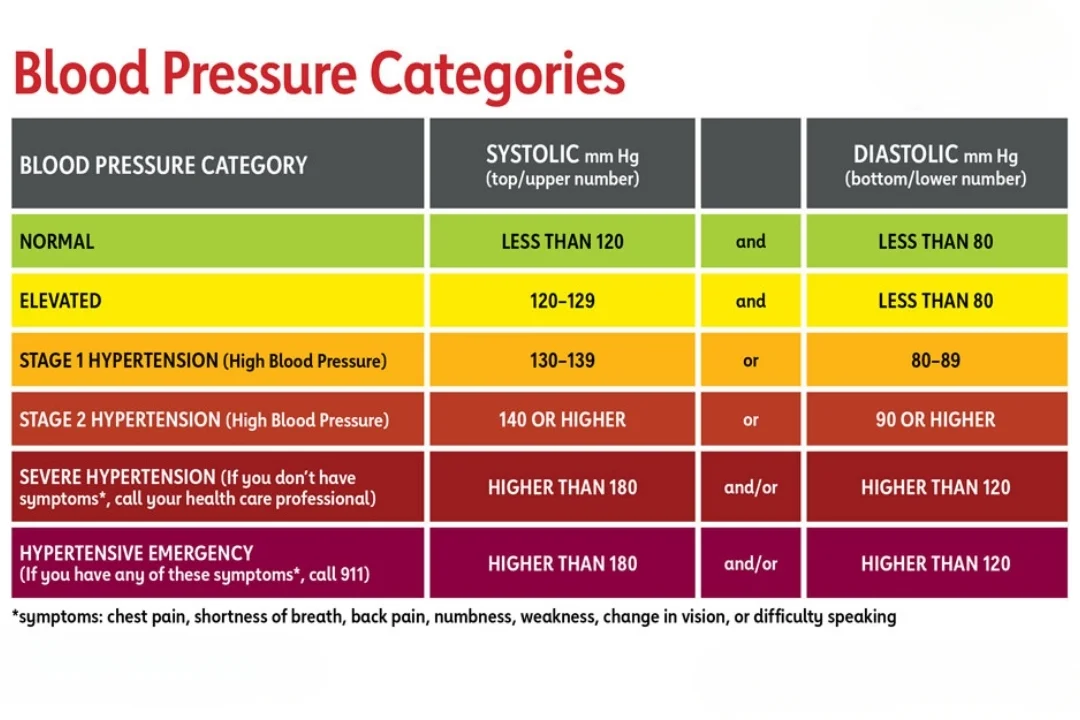
High blood pressure occurs when the force of blood pushing against the walls of the arteries remains consistently too high. Over time, this extra pressure damages blood vessels throughout the body, including those that supply blood to the brain.

A stroke (Faalij) happens when blood flow to part of the brain is interrupted or reduced. Without oxygen and nutrients, brain cells begin to die within minutes.

There are two main types of stroke:

  • Ischemic stroke caused by a blocked blood vessel
  • Hemorrhagic stroke caused by bleeding in the brain

High blood pressure is a major risk factor for both types of stroke. It can weaken blood vessel walls, making them more likely to become blocked or rupture.

For example, a person in Faisalabad with uncontrolled hypertension may feel completely normal for years. However, the ongoing damage to blood vessels can suddenly lead to a stroke that affects movement, speech, memory, or daily functioning.

This is why monitoring and controlling blood pressure is crucial for protecting brain health.

Causes & Risk Factors of High Blood Pressure & Stroke

Several factors increase the risk of developing high blood pressure and stroke.

Common causes and risk factors include:

  • Excessive salt intake

  • Lack of physical activity

  • Obesity

  • Smoking

  • Chronic stress

  • Diabetes

  • High cholesterol

  • Family history of hypertension

  • Heart disease

  • Excessive alcohol consumption

In Pakistan, diets high in salt, fried foods, and processed snacks contribute significantly to hypertension.

Certain lifestyle habits can also worsen blood pressure over time. Sitting for long hours, avoiding exercise, and failing to manage stress may increase the risk of both hypertension and stroke.

Age is another important factor. While high blood pressure becomes more common as people grow older, younger adults can also develop hypertension, especially when risk factors are present.

Regular health checkups can help detect high blood pressure before serious complications develop.

Signs & Symptoms of High Blood Pressure & Stroke

One of the biggest dangers of high blood pressure and stroke is that high blood pressure often causes no obvious symptoms.

Many individuals discover they have hypertension only during a routine medical examination.

Possible signs of uncontrolled high blood pressure may include:

  • Frequent headaches

  • Dizziness

  • Blurred vision

  • Fatigue

  • Shortness of breath

  • Chest discomfort

However, many people experience none of these symptoms.

Stroke symptoms usually appear suddenly and require immediate medical attention.

Common stroke warning signs include:

  • Sudden weakness on one side of the body

  • Facial drooping

  • Difficulty speaking

  • Loss of balance

  • Sudden vision changes

  • Confusion

  • Severe unexplained headache

  • Difficulty walking

Remember FAST

  • F – Face Drooping

  • A – Arm Weakness

  • S – Speech Difficulty

  • T – Time to Seek Emergency Help

Recognizing these warning signs quickly can save lives and reduce long-term disability.

When Should You See a Doctor?

Because high blood pressure and stroke are closely linked, early medical evaluation is extremely important.

You should consult a doctor if:

  • Your blood pressure readings are consistently high
  • You have diabetes or heart disease
  • You experience frequent headaches
  • You notice dizziness or vision problems
  • There is a family history of stroke
  • You develop sudden neurological symptoms

You should seek emergency medical attention immediately if you experience:

  • Facial drooping
  • Sudden arm or leg weakness
  • Difficulty speaking
  • Sudden confusion
  • Loss of coordination

Prompt treatment can significantly improve recovery outcomes and reduce brain damage.

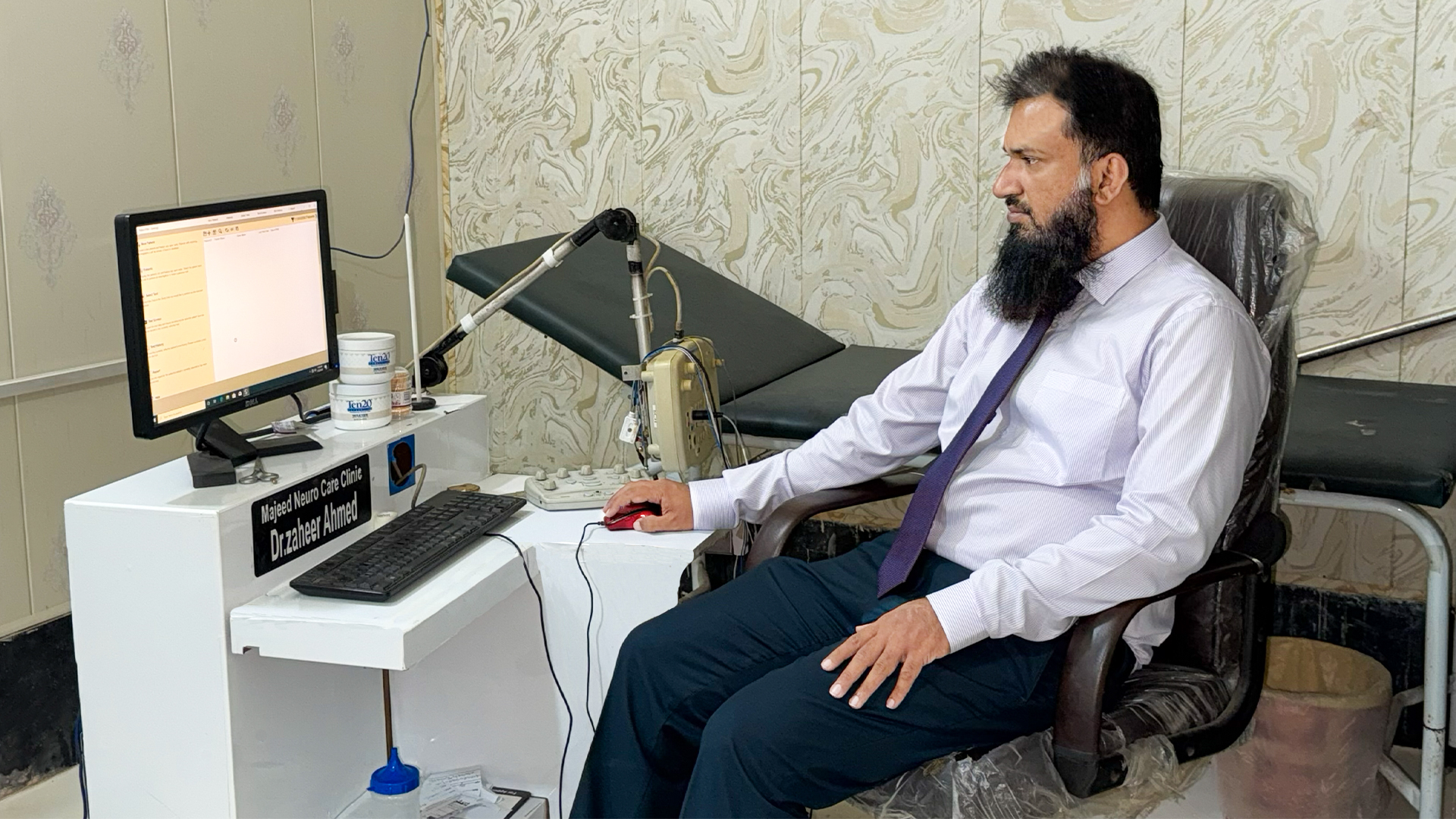
Consulting a neurologist such as Dr. Zaheer Ahmed can help identify stroke risk factors and develop a personalized prevention strategy.

Treatment & Management of High Blood Pressure & Stroke

Effective management of high blood pressure and stroke begins with controlling blood pressure levels.

Regular Monitoring

Routine blood pressure checks help identify hypertension early and allow timely intervention.

Healthy Lifestyle Changes

Doctors often recommend:

  • Eating a balanced diet
  • Reducing salt intake
  • Maintaining a healthy weight
  • Exercising regularly
  • Avoiding smoking
  • Managing stress

Managing Related Health Conditions

Proper control of:

  • Diabetes
  • High cholesterol
  • Heart disease

can significantly reduce stroke risk.

Neurological Evaluation

Individuals with a history of stroke symptoms or significant risk factors may benefit from neurological assessment.

Regular follow-up with a neurologist helps monitor brain health and identify potential concerns before complications occur.

Early intervention remains one of the most effective ways to reduce the impact of hypertension on the brain.

Prevention Tips for High Blood Pressure & Stroke

Preventing high blood pressure and stroke often starts with simple daily habits.

Follow these practical prevention tips:

  • Check blood pressure regularly
  • Reduce salt consumption
  • Eat more fruits and vegetables
  • Exercise for at least 30 minutes most days
  • Maintain a healthy weight
  • Avoid smoking
  • Limit alcohol intake
  • Manage stress effectively
  • Get adequate sleep
  • Follow medical advice for chronic conditions

Even small lifestyle improvements can have a significant impact on long-term brain health.

The earlier preventive measures are adopted, the lower the risk of future complications.

Frequently Asked Questions (FAQs)

1. Can high blood pressure cause a stroke?

Yes. High blood pressure is one of the leading causes of stroke because it damages blood vessels in the brain over time.

2. Does high blood pressure always cause symptoms?

No. Many people have hypertension without any noticeable symptoms, which is why regular monitoring is important.

3. Can lowering blood pressure reduce stroke risk?

Yes. Proper blood pressure control significantly lowers the risk of stroke and other cardiovascular complications.

Conclusion:

The relationship between high blood pressure and stroke is strong, but many strokes can be prevented through early detection and proper management. High blood pressure may not always cause symptoms, yet it can silently damage blood vessels and increase the risk of serious neurological complications. Regular monitoring, healthy lifestyle choices, and timely medical care are essential for protecting your brain and overall health.

If you have concerns about high blood pressure, stroke risk, or neurological symptoms, consult Dr. Zaheer Ahmed for expert evaluation and guidance.

Book your appointment today at Majeed Neuro Clinic

Leave a Reply

Your email address will not be published. Required fields are marked *

Health Tips & Updates

Stay informed with expert neurological health tips, clinic news, and wellness advice delivered to you.

Working days

  • Weekdays 5:00 - 9:00
  • Friday 8:00 - 9:00
  • Saturday 5:00 - 9:00
  • Sunday Closed

Reach Us

Follow us:

© Copyright 2026 Majeed Neuro Clinic All Rights Reserved.